


Updated August 2026.
This article contains affiliate links. We may earn a commission at no additional cost to you if you make a purchase through these links. See our affiliate disclosure for details.
Mini backpacks sit somewhere between a purse and a daypack. They’re small enough to wear to a restaurant without feeling like you brought your gym bag, but big enough to carry a wallet, phone, keys, sunscreen, and a light layer. The category has exploded in the last few years, especially among travelers looking for something that works for sightseeing without the bulk of a full-size pack.
This guide breaks down what counts as a mini backpack, how to size one correctly, and when it makes sense to use one instead of a larger bag.
What Counts as a Mini Backpack?
There’s no official cutoff, but most people consider anything under 15 liters a mini backpack. The typical range is 5 to 12 liters. For context, a standard school backpack runs 25-30 liters, so a mini is roughly a third to half that size.
The category includes everything from fashion-forward leather options to ultralight packable daypacks that fold into their own pocket. What they share is a two-strap design (separating them from sling bags and crossbodies) and a capacity small enough that you have to choose what comes along.
Some brands blur the line between mini backpack and crossbody by adding a single-strap option. If it has two shoulder straps and sits on your back, it qualifies.
Sizing: How Much Fits in a Mini Backpack?
Capacity varies a lot in this category. Here’s what different sizes hold in practice:
- 5-7 liters: Phone, wallet, keys, sunglasses, a small water bottle. That’s about it. Good for concerts, theme parks, and city walks where you don’t need much.
- 8-10 liters: Everything above plus a light jacket, snacks, a portable charger, and a slim book or tablet. This is the sweet spot for most day travelers.
- 11-15 liters: Getting into regular daypack territory. Fits a 13″ laptop (sometimes), a full water bottle, and a change of clothes if you pack tight. Some people use this size as a personal item for budget airlines.
The fit on your body matters as much as the liter count. A 10-liter mini that’s designed for adults will have wider straps and a longer torso panel than one designed for kids. Check the strap length and back panel dimensions before buying, especially if you’re over 5’8″.
When a Mini Backpack Makes Sense
Mini backpacks aren’t for every situation. They work best when you need hands-free carrying with minimal bulk.
City sightseeing is the strongest use case. Museums, markets, and walking tours call for something that holds your essentials without weighing you down. A full-size travel backpack is overkill for a day exploring Barcelona. A mini handles it perfectly.
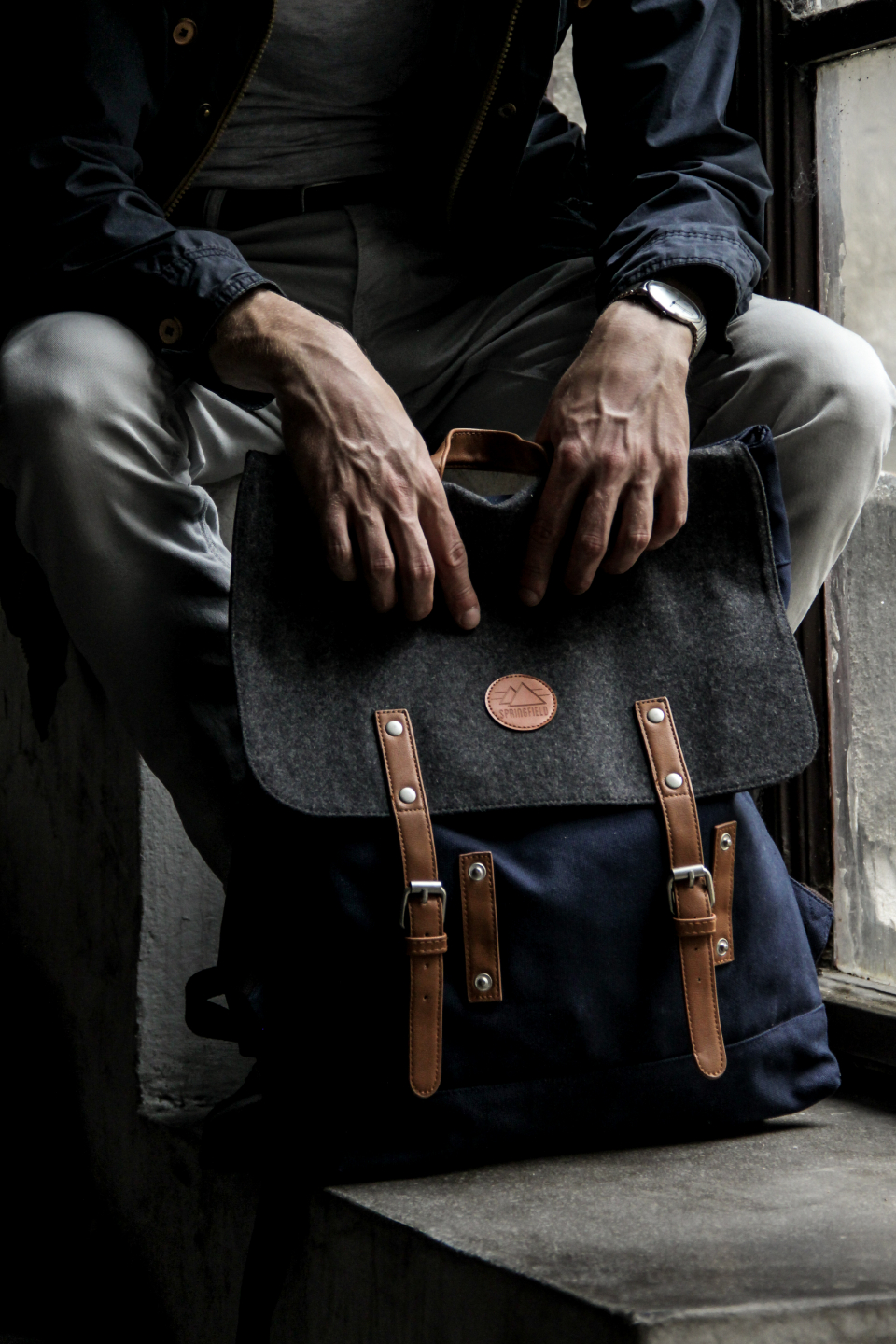
Commuting light works if you don’t carry a laptop. Phone, lunch, headphones, a book, and a rain jacket fit comfortably in an 8-10 liter pack. It disappears under a coat or in an overhead bin.
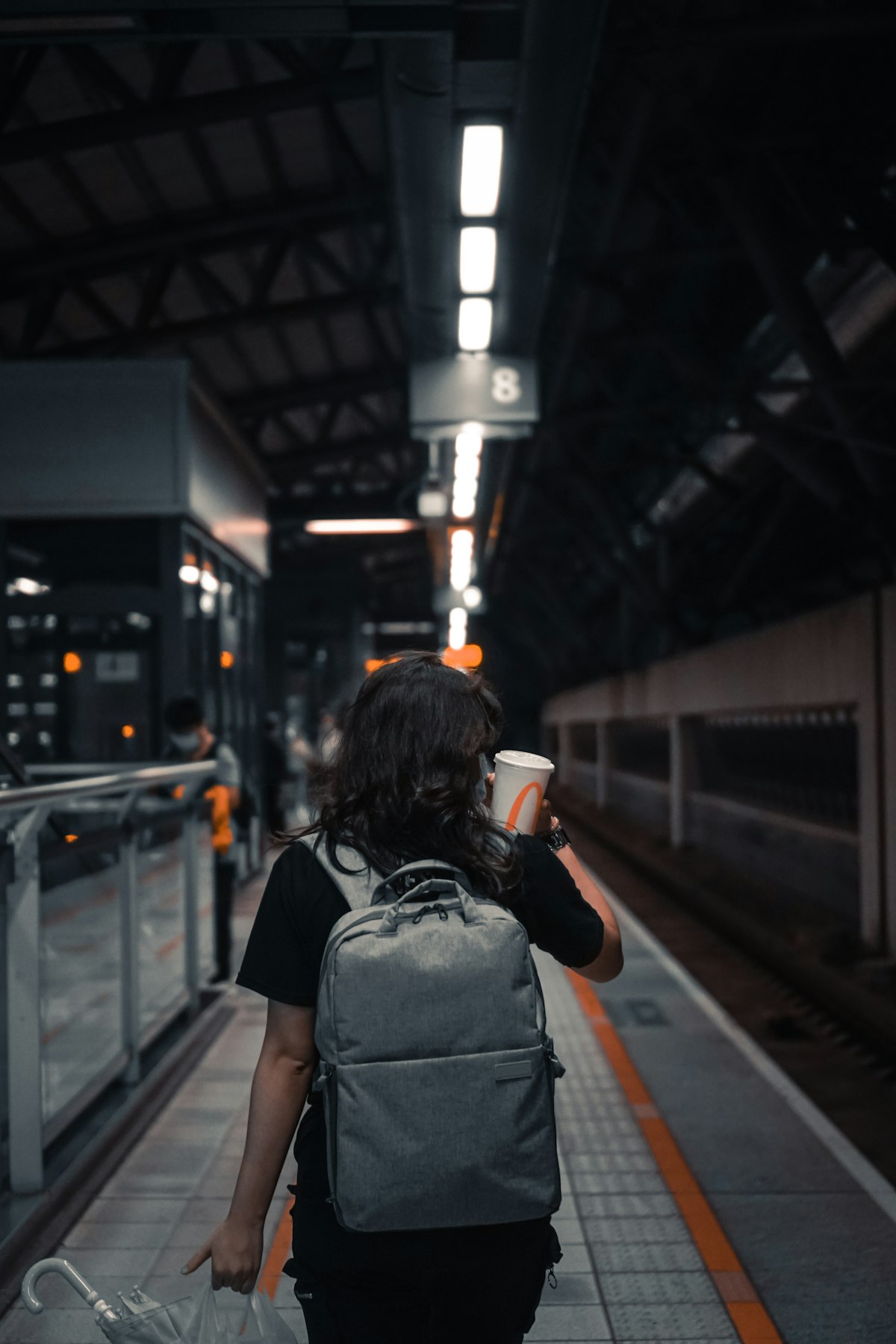
As a secondary bag for travel, a packable mini backpack earns its keep. You stuff it into your main travel backpack for the flight, then pull it out for day trips at your destination. Brands like Matador and Osprey make ultralight packable options that weigh only a few ounces.
Skip it for hiking, work, or gym. If you need to carry a laptop, water bottle, lunch, and any kind of equipment, a mini backpack will leave you either overpacking it (straining the zippers) or leaving essentials behind.
What to Look for When Buying
The features that matter most in a mini backpack are different from what you’d check on a full-size pack. Suspension systems and hip belts don’t apply here. Instead, focus on these:
Strap width and padding. Mini backpacks with thin, unpadded straps dig into your shoulders once you add more than a couple pounds. Look for straps at least 1 inch wide with some padding. Adjustable sternum clips are rare at this size but make a noticeable difference on longer walks.
Zipper quality. Small bags get opened and closed constantly. Cheap zippers fail faster on a mini than they would on a larger pack because they’re running the same number of cycles with less durable hardware. YKK zippers are the baseline for bags you expect to last more than a year.
Organization. A single main compartment with no internal pockets turns into a black hole. At minimum, look for a zippered interior pocket for your phone or passport and an exterior pocket for quick-access items. Front zippered pockets are the most common layout and they work well.
The material depends on your use case. Nylon and polyester work for travel and daily use. Leather and canvas lean more toward fashion, and they cover most of the elegant backpacks that hold up next to a jacket and good shoes. If you’re looking at packable mini backpacks, ripstop nylon is standard because it folds small and handles abrasion.
Three Mini Backpacks Worth a Look
One for each of the size brackets above.

Fjallraven Mini Kanken Backpack
The Kanken Mini sits at the bottom of the range, which means phone, wallet, keys and a light layer rather than a day of supplies.

Herschel Nova Backpack, Ash Rose, Mini 9L
At 9 liters the Nova Mini lands in the range most day travelers end up wanting, with room for a jacket and snacks on top of the essentials.

ZOMAKE 10L Ultra Lightweight Packable Backpack
This is the type of pack that lives inside your main luggage on the flight and comes out for day trips.
Mini Backpack vs Sling Bag vs Crossbody
These three categories overlap, and the names get used interchangeably online. Here’s the actual distinction:
Mini backpacks have two shoulder straps and sit centered on your back. They distribute weight evenly and leave both hands free. Best for balanced carrying over longer periods.
Sling bags use a single diagonal strap and sit across your chest or back. They’re faster to access (swing to the front) but put all the weight on one shoulder. We covered these in detail in our best sling bags roundup.
Crossbody bags also use a single strap but hang at hip level rather than across the chest. They’re the smallest of the three, usually under 3 liters, and work best for phone-wallet-keys situations.
If you’re carrying more than 3-4 pounds regularly, a mini backpack distributes the weight better than either single-strap option.
Side by Side
FAQ
What size is a mini backpack in liters?
Most mini backpacks fall between 5 and 15 liters. The most popular size range is 8-10 liters, which holds a phone, wallet, light jacket, snacks, and a small water bottle comfortably.
Can you use a mini backpack as a personal item on a plane?
Yes. Mini backpacks under 15 liters easily fit under the seat in front of you on any airline. Some travelers use larger mini backpacks (12-15L) as their only bag for ultra-light weekend trips.
Are mini backpacks good for travel?
They’re excellent as a secondary day bag. Pack a lightweight mini backpack inside your main luggage, then use it for day trips, sightseeing, and excursions. As a primary travel bag, they’re too small for anything beyond an overnight trip.
How do you wear a mini backpack without looking childish?
Stick to muted colors (black, gray, olive, navy) and clean designs without excessive buckles or cartoon graphics. Adult-proportioned minis with wider straps and minimal branding read as intentionally compact rather than undersized. Avoid anything marketed as a kids’ backpack that happens to be small.