
Canvas vs Nylon: Which Bag Material Holds Up Better?

This article contains affiliate links. We may earn a commission at no additional cost to you if you make a purchase through these links. See our affiliate disclosure for details. As an Amazon Associate I earn from qualifying purchases.
Canvas and nylon both make good travel bags, but they solve different problems. Canvas feels structured and looks classic. Nylon is lighter, usually more weather-ready, and easier to live with when a trip involves rain, transit, stairs, or tight overhead bins.
Choose nylon for frequent travel, wet conditions, and lower packed weight. Choose canvas when the bag is part of the look and you are packing for short trips, road trips, weekend stays, or daily carry.
Canvas Travel Bags
Canvas is a woven fabric with a firmer, more tactile feel than most synthetic travel fabrics. It can look good on duffels, totes, dopp kits, and casual backpacks because scuffs tend to read as patina rather than damage. That is the argument behind most of the vintage canvas rucksacks that close with a drawstring and a flap rather than a zip.
Weight is where canvas loses. It can feel substantial before you have packed a single sweater, and it does not shrug off wet weather the way coated nylon can. Waxed canvas improves water resistance, but it still needs more care than a synthetic bag.
Advantages of Canvas Travel Bags
- Canvas softens and marks up in a way many travelers actually like.
- A canvas tote or duffel can hold its shape better than a floppy ultralight nylon bag.
- Canvas works well when a bag needs to move from airport to hotel lobby to dinner without looking like hiking gear.
- Small marks can usually be brushed or wiped away, though deep stains take more work.
Disadvantages of Canvas Travel Bags
- The same-size canvas bag often weighs more than a nylon version.
- Once canvas is wet, it can stay damp long enough to be annoying in a hotel room or rental car.
- Waxed canvas may need rewaxing, and untreated canvas can stain.
- Light rain is one thing. A soaked platform, boat deck, or open pickup bed is another.
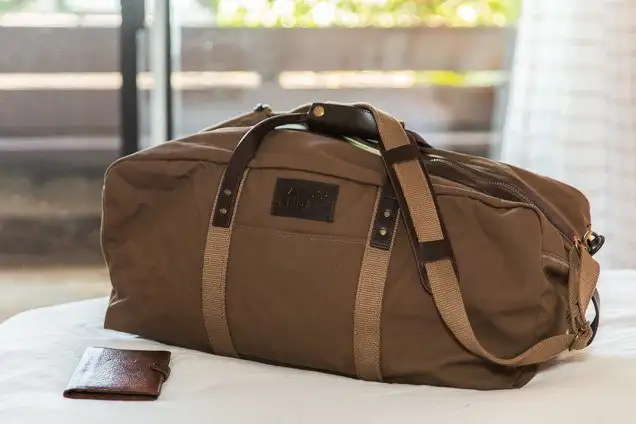
Popular Types of Canvas Travel Bags
- Duffels: best for weekenders, road trips, and short hotel stays where style matters.
- Totes: useful as a personal item, beach bag, market bag, or car-trip overflow bag.
- Backpacks: good for campus, commuting, and light travel, but less ideal for long sweaty walks.
- Dopp kits: a nice match for canvas because the smaller size keeps weight under control.
Canvas: TL;DR
Canvas is the style-first choice. It is durable and comfortable in casual travel settings, but it loses on packed weight, drying time, and weather resistance.
Nylon Travel Bags
Nylon is the more practical travel fabric for most people. It can be light, strong, flexible, and water-resistant, depending on the weave, coating, and denier. That range matters: cheap thin nylon can feel flimsy, while high-denier ballistic or ripstop nylon can handle years of hard use. Polyester is the other synthetic you will run into, and we cover how polyester performs on the trail separately.
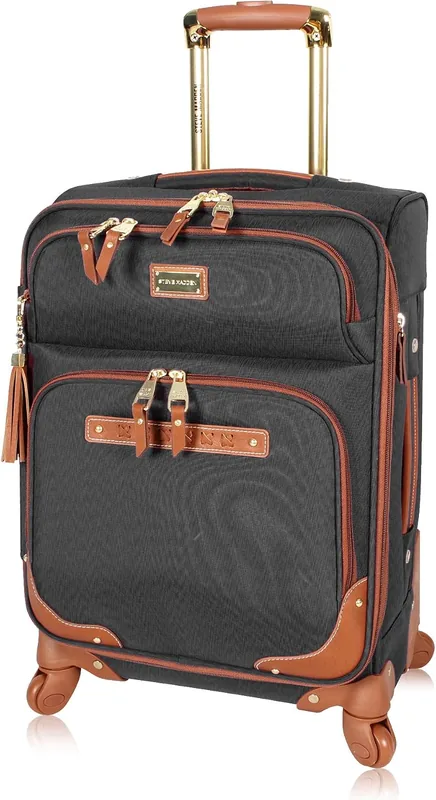
Steve Madden Softside Carry-On
A nylon softside suitcase gives travelers a lighter, more flexible alternative to hardshell luggage, while still keeping wheels and structure in the mix.
Advantages of Nylon Travel Bags
- Nylon is usually easier to carry through airports, train stations, and long hotel corridors.
- Many nylon bags are water-resistant enough for light rain, damp sidewalks, and wet car trunks.
- A nylon bag is less likely to stay damp after a quick wipe-down.
- Compression straps, exterior pockets, laptop sleeves, and trolley sleeves all feel natural on nylon bags.
Disadvantages of Nylon Travel Bags
- Nylon is practical, but not every nylon bag feels polished.
- Fabric weight, stitching, coating, and zippers matter more than the word "nylon" on a product page.
- Thin nylon can tear on sharp corners or rough baggage handling.
- If natural materials matter to you, canvas has the stronger appeal.
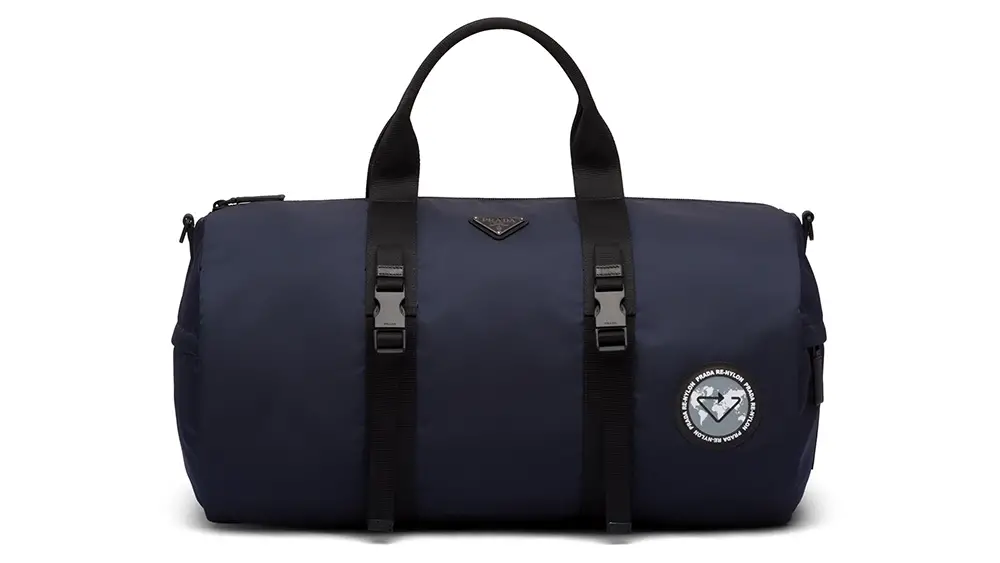
Popular Types of Nylon Travel Bags
- Rolling luggage: a strong fit because softside nylon can flex into tight spaces.
- Travel backpacks: nylon keeps weight down while supporting pockets, laptop sleeves, and compression.
- Duffels: good for gym-to-weekend use, especially when the bag might get wet or dirty.
- Packable bags: nylon is the clear winner for fold-flat totes and backup daypacks.
Nylon: TL;DR
Nylon is the practical choice. It is lighter, faster-drying, and easier to build into modern travel bags. The main risk is buying low-grade nylon that looks tired after a few trips.
Canvas vs Nylon: Pros and Cons
Canvas and nylon are not separated by one clean winner. The better material depends on how the bag will be carried, how often it will get wet, and whether style or weight matters more.
Weight: nylon wins for most travel. If you are carrying the bag through airports, up stairs, or across a city, every saved ounce matters. Canvas can be worth the extra weight for a hand-carried weekender, but it is harder to justify on a large backpack.
Weather: nylon is the safer pick for rain, snow, and damp transit days. Canvas can handle light moisture, especially when waxed, but it dries more slowly and asks for more care.
Style: canvas has the edge. It looks more natural in cafes, offices, hotels, and weekend settings. Nylon can still look polished, but it depends heavily on color, hardware, texture, and brand execution.
Durability: quality matters more than the material name. Heavy canvas can outlast cheap nylon, while high-denier nylon can outperform thin canvas. Look at stitching, zippers, handles, coating, and the stress points around straps on durable backpacks.
Canvas vs Nylon: Which Is Right for You?
Pick canvas if you want a bag that looks intentional in everyday settings: a weekend duffel, a city tote, a commuter backpack, or a toiletry kit that does not need to survive heavy rain. Canvas is especially good when the trip is short and the bag will be carried by hand rather than on your back for miles. When the bag has to take years of abuse instead, our durable backpack picks lean nylon for that reason.
Pick nylon if the bag is going to work hard. A nylon backpack, softside carry-on, or duffel makes more sense for frequent flights, wet weather, packed trains, outdoor day trips, or any itinerary where weight matters.
If you travel often and only want one bag, nylon is usually the safer bet. If you already have practical luggage covered and want something with more texture, canvas is the more satisfying choice.
Filed in Travel Bag Tips