North Face Borealis Backpack: Still Worth It?

This article contains affiliate links. We may earn a commission at no additional cost to you if you make a purchase through these links. See our affiliate disclosure for details. As an Amazon Associate I earn from qualifying purchases.
The North Face Borealis is one of the most popular daypacks in the US, and it's held that spot for over a decade. You see it on college campuses, commuter trains, and airport gates. It sits in the gap between budget backpacks ($30-$50) and premium travel packs ($150+). For a lot of people, it's the first "real" backpack they buy after outgrowing a JanSport.
The notes below come from the published specs and from long-run owner reviews of people who carry a Borealis every day.
What the Borealis Is
The Borealis is a 28-liter daypack (27 liters in the women's version) with a padded laptop sleeve (fits up to 15 inches), a fleece-lined top pocket for sunglasses or a phone, and North Face's FlexVent suspension system on the back panel. It weighs about 2.6 pounds empty. The design hasn't changed dramatically in years. North Face updates the colors and minor details each season, but the core layout stays the same.

The Borealis has a removable waist belt but no load-lifter straps or hydration sleeve. It also has no clamshell opening, packing-cube layout, or trolley sleeve. It's a daypack for a laptop, books, a water bottle, and daily essentials.
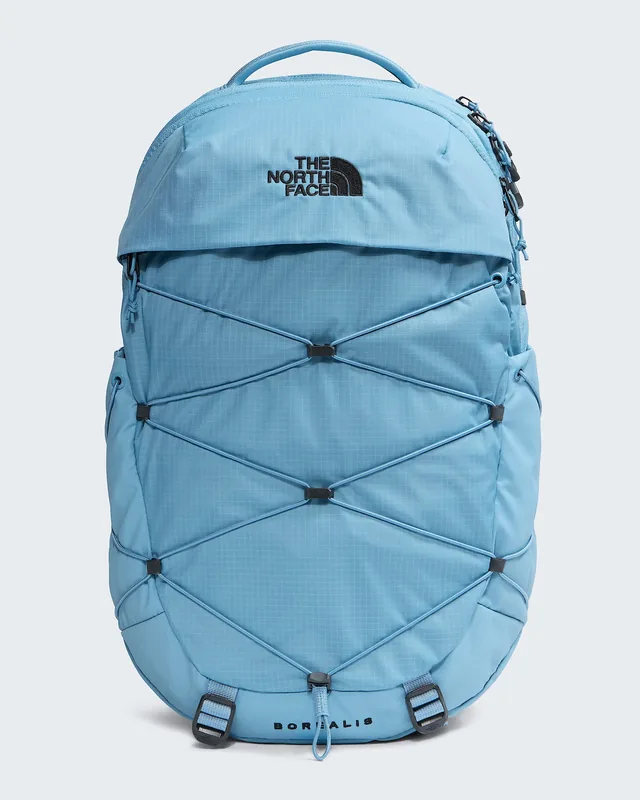
North Face Borealis (Women's)
A laptop, books, and a water bottle, carried on a vented back panel that survives a hot commute.
Stock note: the unisex Borealis listing dips in and out of Amazon stock, so we link the women's Borealis, which carries the same FlexVent design at 27 liters and stays reliably in stock.
What It Gets Right
The FlexVent back panel uses flexible foam with a mesh overlay that creates a small air gap between the pack and your back. On hot days, that gap is the difference versus a flat-backed backpack. You still sweat, but the mesh prevents the full wet-rectangle-on-your-back problem.
The laptop compartment sits against the back panel (closest to your spine) with dedicated padding on all sides. It's separate from the main compartment, so your laptop doesn't share space with books, food, and gym clothes. The 15-inch sizing fits most laptops comfortably, including the 14-inch MacBook Pro with room to spare.
The fleece-lined pocket on top keeps sunglasses or a phone from getting scratched in the main compartment. You can reach them from the outside without opening the bag.
The listed fabric varies by colorway, and the pack has a coated, abrasion-resistant bottom material. Actual wear depends on load, abrasion, and care. The zippers are smooth, and jamming barely comes up in owner reviews. The bottom panel is reinforced, which matters if you set your bag on wet ground or rough surfaces. If you're curious about how polyester compares to nylon for backpack durability, that guide has the details; nylon is tougher, but polyester handles daily use fine.
Where It Falls Short
The water bottle pockets are too shallow. A standard 32oz Nalgene sticks out the top and can fall out if the pack tips over. Slimmer bottles (20oz) sit fine, but the elastic doesn't grip tightly enough for larger bottles during movement. This is a common complaint in reviews and North Face hasn't fixed it.
There's no internal organization beyond the laptop sleeve and the main compartment. The main compartment is essentially one big bucket. If you carry chargers, pens, notebooks, and snacks, everything ends up in a pile at the bottom unless you use a pouch or organizer. Some of the best commute backpacks at this price include dividers or built-in organizer panels.
The shoulder straps use the FlexVent suspension design. The pack also includes a sternum strap and removable waist belt. It does not list load-lifter straps, and its waist belt differs from the structured suspension on a technical hiking pack. For choosing a backpack for heavier loads, compare the full suspension system rather than relying on a universal weight cutoff.
Who Should Buy the Borealis
Students and commuters who carry a laptop, a few books or notebooks, and daily essentials. The 28-liter capacity is right-sized for that load. The FlexVent back panel makes it comfortable in warm weather. The price is accessible without feeling disposable.
Leave it off the travel list if you need clamshell packing and off the trail if you need a technical suspension system. If your daily load is a laptop plus items for work or class, the Borealis is sized for that.
Borealis vs. Jester: Side by Side
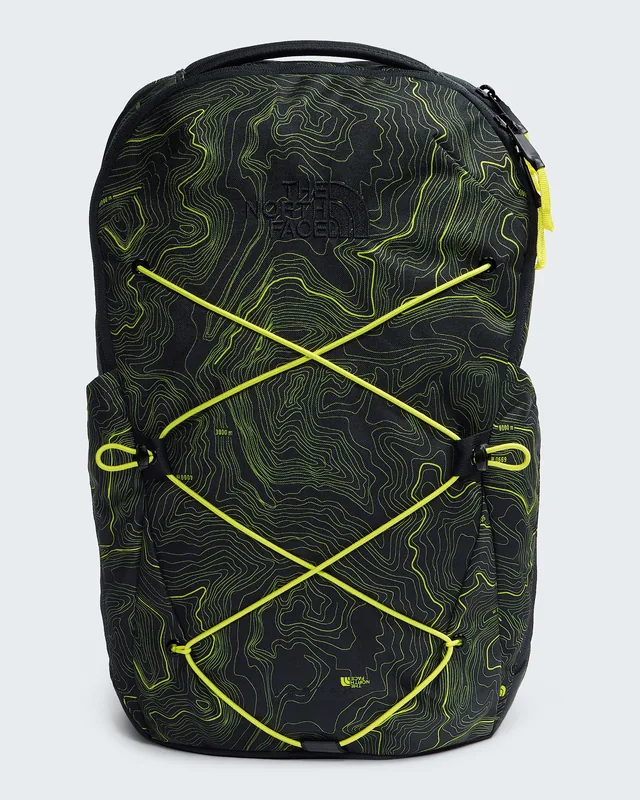
The Jester is the pack most buyers cross-shop against the Borealis, so here are the two next to each other.

FAQ
Is the North Face Borealis worth it?
For a daily commuter or student pack, yes. FlexVent, a padded laptop sleeve, and a removable waist belt are listed features. Actual service life depends on load, abrasion, care, and repair history.
Can you use the Borealis for hiking?
The Borealis can serve as a daypack, but it is not a substitute for a technical hiking pack. It has a removable waist belt but no listed load-lifter straps; comfort depends on fit, load, and distance.
What's the difference between the Borealis and the Jester?
The Jester is smaller (27.5L vs 28L) with a simpler back panel and fewer organizational pockets. It costs about $20 less. The Borealis has better back ventilation (FlexVent) and the fleece-lined top pocket. For most buyers, the Borealis is worth the small price difference.
How do you wash a North Face Borealis?
Hand wash with mild soap and warm water. Don't machine wash. The agitation can damage the FlexVent foam and zipper tracks. Scrub stains with a soft brush, rinse thoroughly, and hang dry. Never put it in a dryer.
Filed in Travel Bag Tips