Are Packing Cubes Worth It?

This article contains affiliate links. We may earn a commission at no additional cost to you if you make a purchase through these links. See our affiliate disclosure for details. As an Amazon Associate I earn from qualifying purchases.
Packing cubes are worth it for most suitcase and travel-backpack trips. They are zippered fabric boxes that sit inside the bag, split clothes by type, and turn empty corners into space you can actually fill.
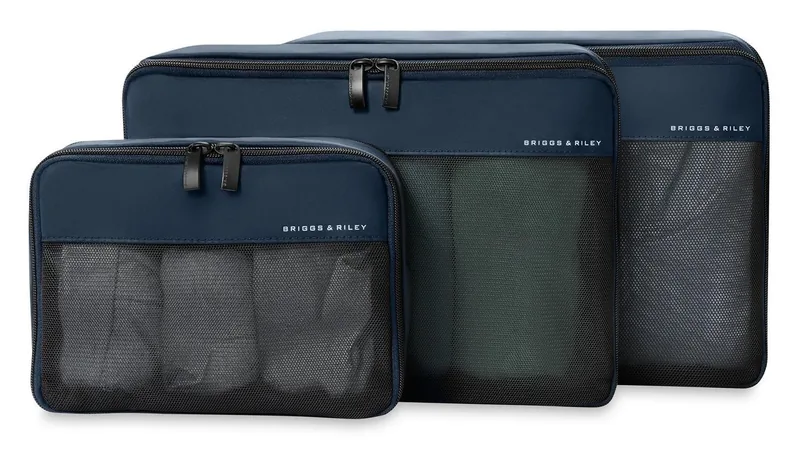
If you only wanted a set to buy, the Briggs & Riley cubes below are the editor's pick. The rest of the page covers what a cube does, which features matter, and when a cube gets in the way.
Briggs & Riley Packing Cubes
A polished three-piece cube set for travelers who want structure, clean zippers, and a more luggage-like feel than the usual soft nylon cubes.
A cube set costs more than a few zippered fabric boxes look like they should. The return is reclaimed suitcase space and a faster hotel unpack, which is why they sit next to a ranger roll as a packing upgrade that changes how the bag lives.
The sections below cover what packing cubes are, which features to pay for, how to pack them, four sets we would buy, and the cases where they do not help. A linked note on folding clothes so they unpack less wrinkled sits with the packing method, not as a separate lecture.
- Sort clothes into cubes by type
- Slot the cubes in like blocks
- Lift out one cube, leave the rest
What are packing cubes?
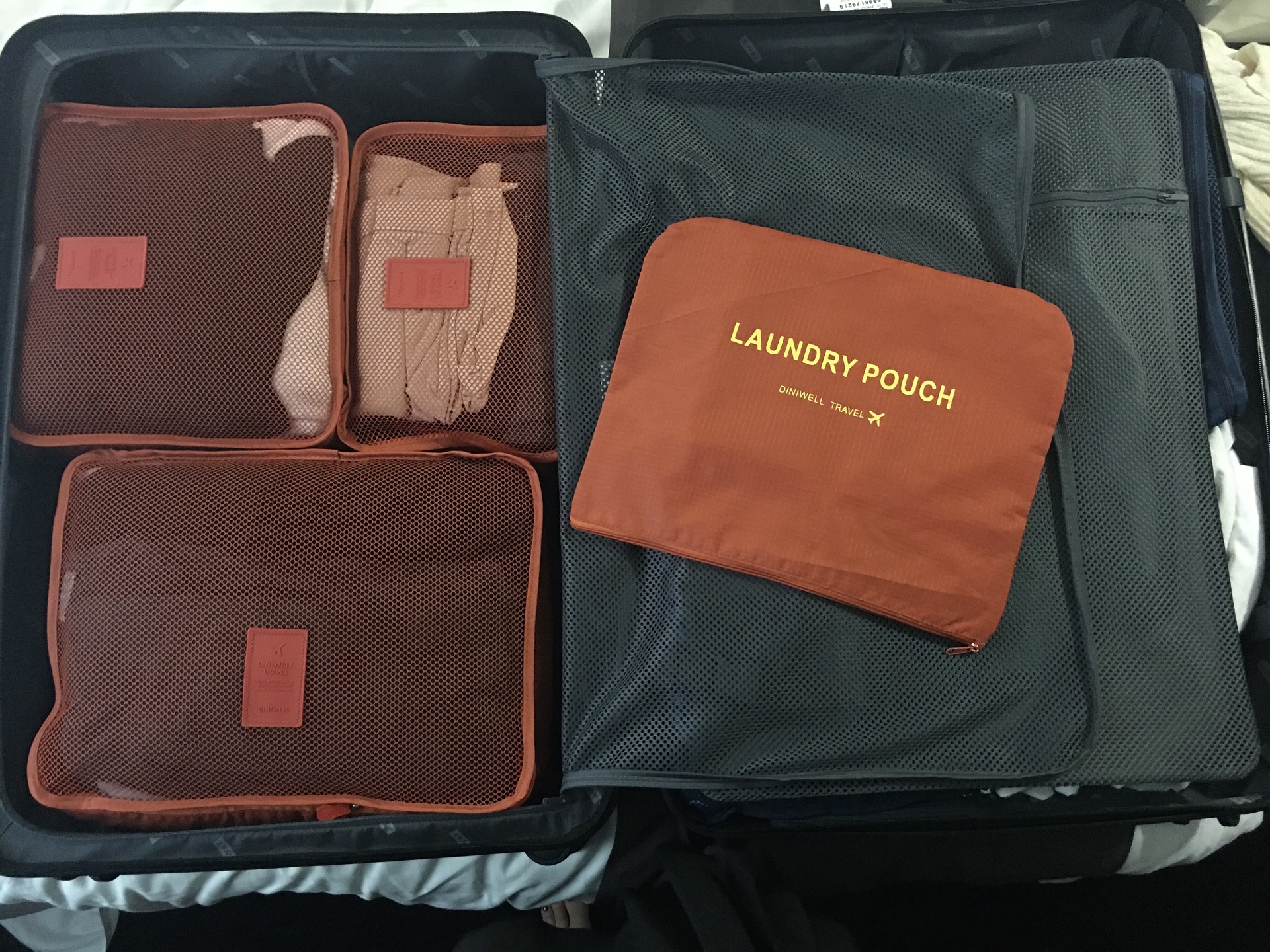
Most suitcases and travel backpacks are one or two big wells. People roll or fold clothes straight into those wells, which works until you need one shirt from the bottom and the rest of the bag explodes. Packing cubes are the smaller bags that fill those wells like blocks, so each category of clothing has a zipper of its own.
A set is sized to nest: large for shirts or pants, medium for layers, small for socks and underwear. Used that way, they stop clothes migrating into unused corners. They will not make a 50-pound bag legal. They help you see what you packed, and they often let a carry-on close when a loose pile would not.
What a useful packing cube has
Zipper closure
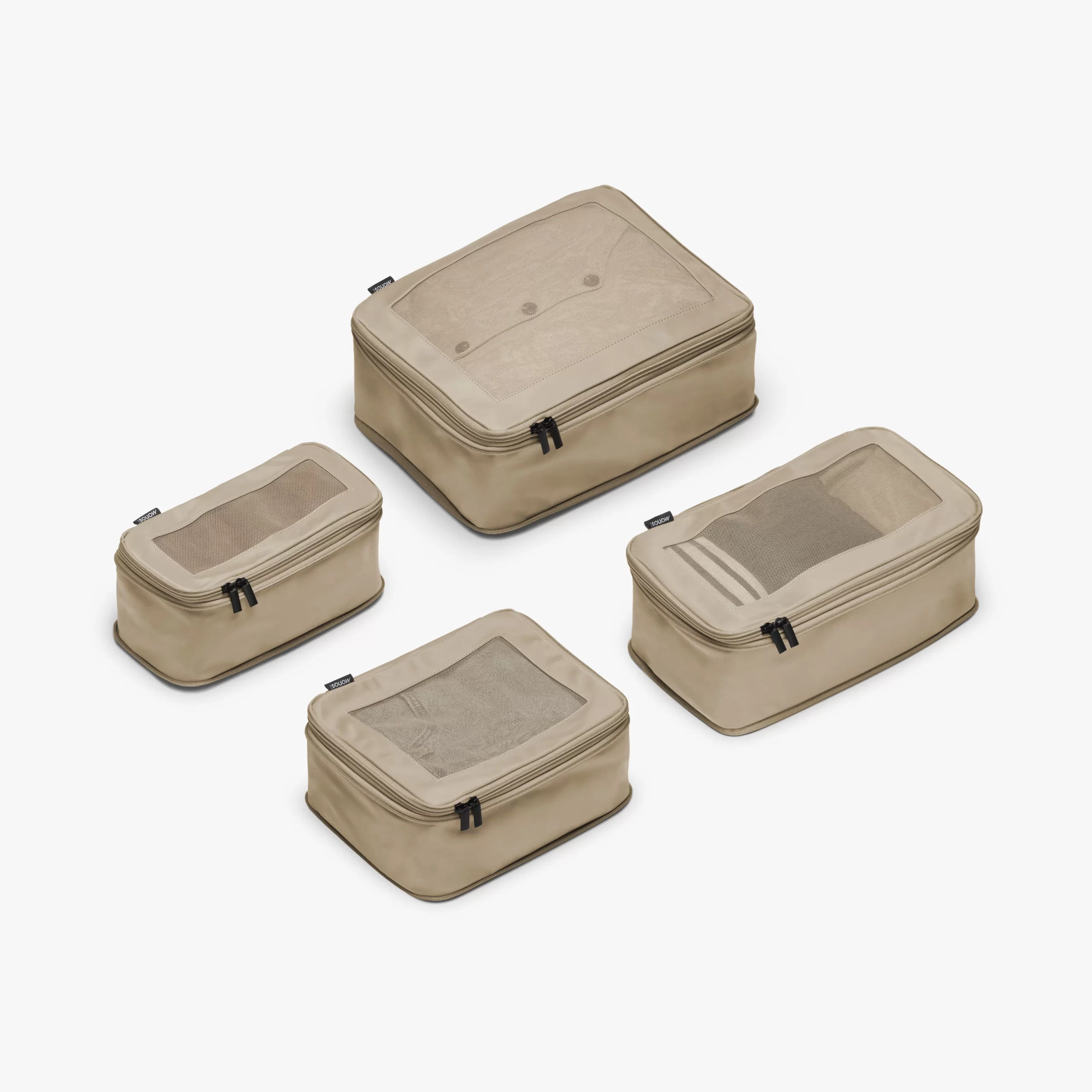
Every cube closes with a zipper. That is the whole product, so a weak zipper ends the set. Double zipper pulls are the version to buy: you can open from either end when the cube is stuffed, and a single pull that fails takes the cube with it. Look for a stout coil, not a decorative metal tooth that snags on knitwear.
Mesh top panels
A mesh lid lets you see shirts without unzipping. Solid lids look cleaner and hide mess; they also force you to open every cube to find a pair of socks. Color-coding a set can do some of the same job. Mesh still wins when the cubes share a color, because you can find a cube without dumping the suitcase to reshuffle it.
Webbing handle
A webbing handle is useful when you lift one cube out of the suitcase and carry it to a drawer. Most sets include one. The handle should lie flat when the cube is packed; a long loop eats space and catches on neighboring zippers.
Color
A single-color set is fine if the lids are mesh. Mixed colors help when you pack for two people or want dirty clothes in a cube you can spot in a dark bag. Color is a convenience, not a reason to skip a better zipper.
How to pack the cubes so they help
Cubes do not magically stop wrinkles or create space. How you fill them does. The two problems people hit are creased shirts and cubes that balloon so the suitcase will not close.
The methods below are the ones that actually change those two outcomes. They are small habits, not a packing personality.
Use tissues or plastic bags to fold clothes
Tissue paper or a thin plastic bag around a button-down reduces the fabric-on-fabric rub that sets creases in transit. Joni and Kitt walk through wrapping and rolling this way. It is extra fiddle. It is also the cheapest wrinkle control in a cube.
Roll knits and fold the shirts you care about
Rolled knits take less volume than folded stacks in the same cube, which is why Joni and Kitt prefer a roll for t-shirts and gym clothes. Fold the shirt you want to wear off the plane; rolling that one just sets a crease down the front. Stand those folded shirts on edge with file fold packing and the cube reads like a drawer. Both methods work. Mix them.
Protect your fragile items
Cameras, laptops, and tablets do not belong in a clothes cube. Give them their own padded sleeve or a small cube in the center of the bag, away from the shell. Velcro-closure pouches work when you need something you can open with one hand. The same keep-it-from-getting-smashed logic is why we write about bottles in checked bags.
Keep your traveling essentials in a convenient pocket
Do not bury the things you need at security or on the train inside a packed cube. Water, cards, and cables belong in an outer pocket or a travel zip organizer. That is the same reason we like backpacks with lots of pockets in mixed sizes instead of one row of identical slots.
Packing cube sets we'd buy
Bagail packing cube set
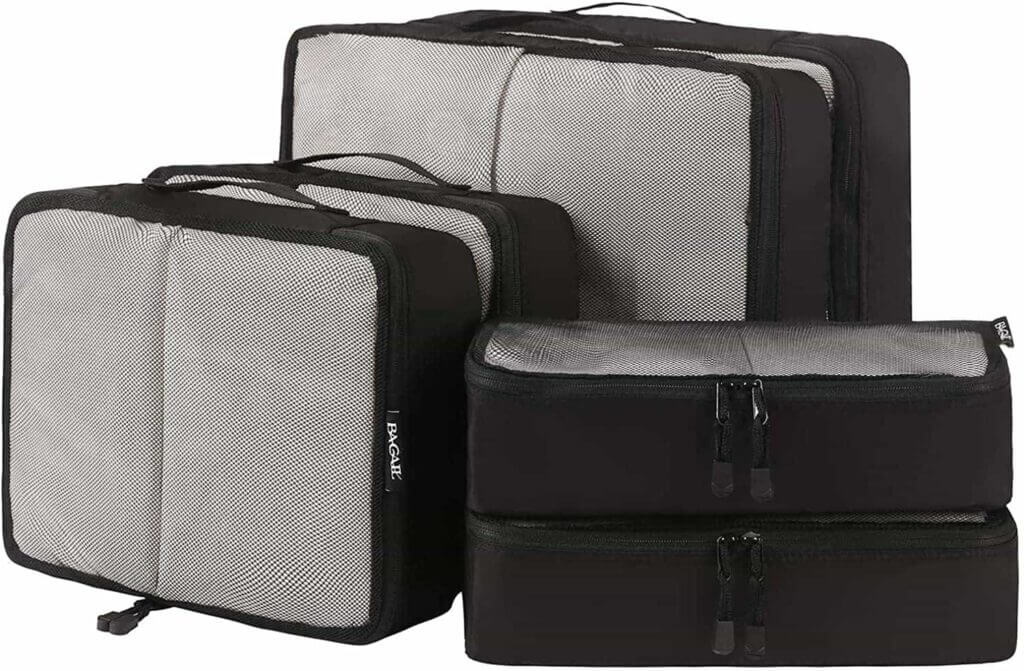
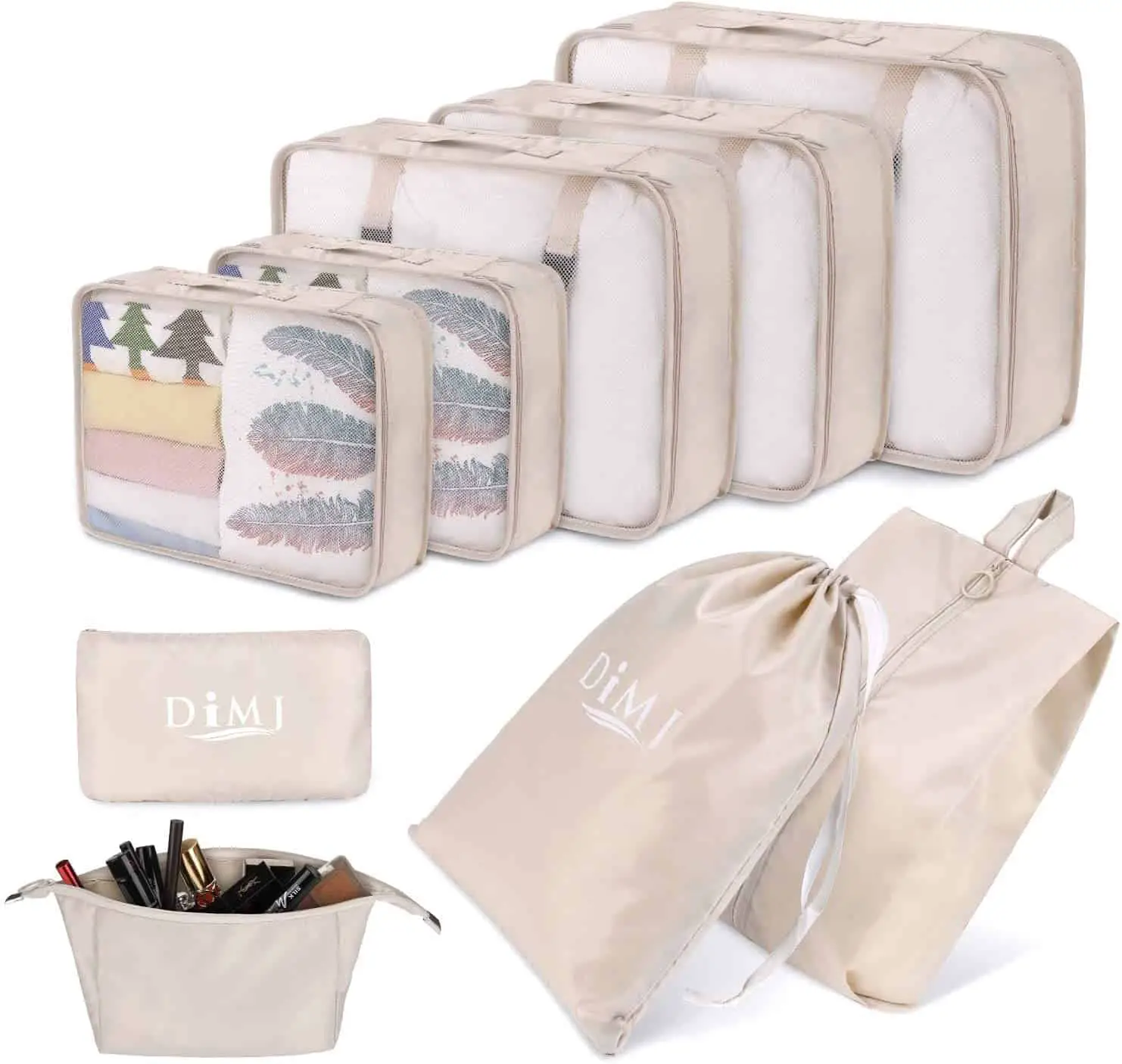
Six cubes in mixed sizes, one color, mesh lids so you can see inside. The fabric is nylon with finished interior seams, and the zippers have double pulls. This is the cheap full set: enough cubes for a checked bag without paying Briggs & Riley money.
Veken packing cubes
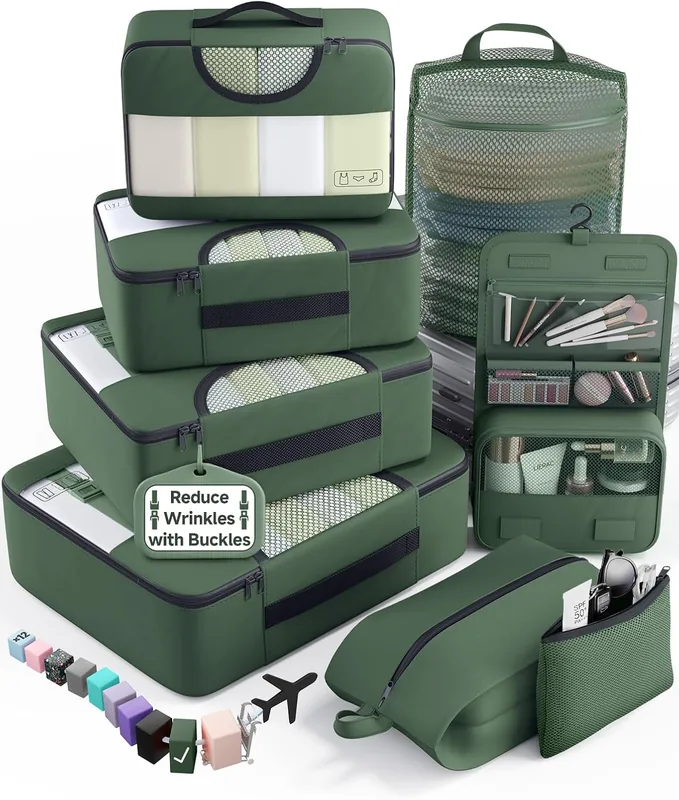
Each cube has a printed label so you can tell shirts from socks without opening it, plus mesh lids. The outer fabric is water-resistant, which matters when a cube sits on a hotel bathroom floor. Double zippers, and the sizes are cut to stack in a suitcase.
Shacke Pak packing cubes
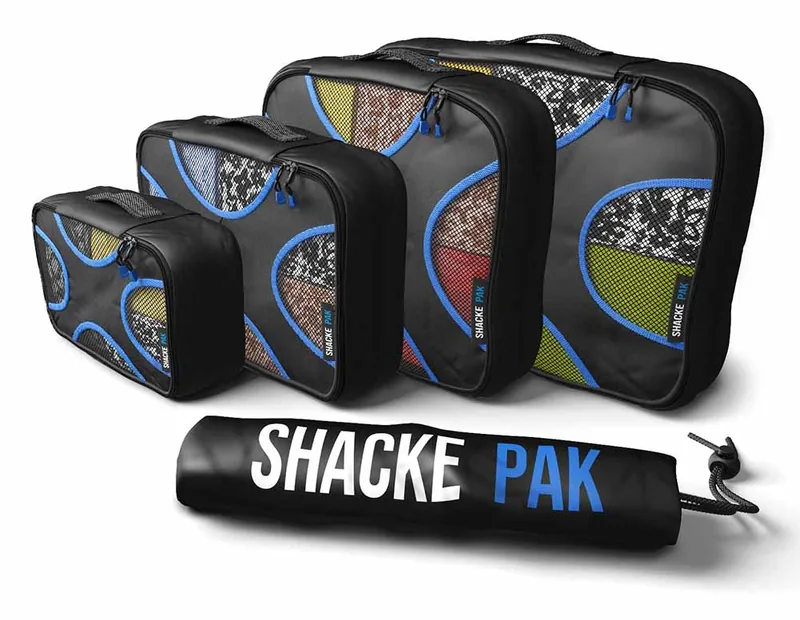
This is the lighter set: four cubes in mixed sizes plus a laundry bag for the trip home, with mesh tops so you can see inside without opening anything.
Can packing cubes help you save money on baggage fees?
Cubes can help you avoid a checked-bag fee. They do it by letting a carry-on close on a load that would bulge if the clothes were loose, not by making the clothes lighter. The cubes themselves add a few ounces.
Shoes and toiletries in their own small cubes stop them from punching holes in a clothing stack, which frees the main cube for clothes. You can also use compression packing cubes that squeeze air out of knits so the same shirts take a smaller block.
On a short trip, that is often the difference between one carry-on and a second bag. Most airlines still let a carry-on fly free. A few suitcases build the same idea in, like the Solgaard carry-on closet with its shelf insert.
Cubes will not save you money if the bag is already over the weight limit because of shoes and bottles. They help you avoid overpacking by making leftover space visible, so you stop stuffing a fourth pair of jeans into a corner you cannot see.
Are there any downsides or limitations to using packing cubes?
Cubes add fabric, zippers, and a little bulk. A full set can weigh from a few ounces to a pound. If you are counting grams in a hiking pack, that cost is real.
They also lock you into rectangles. A coat or a pair of boots may not fit a cube, and last-minute packers often find stuffing the bag faster than filling four zippered boxes. That is where compression packing bags do better, since they squeeze out the air a cube leaves in.
Cubes also assume a suitcase or a wide backpack. A slim hiking pack or a duffel stuffed around camping gear may not have faces for cubes to sit against. Formal clothes still need a folder or a garment sleeve; a cube will pack them, and it will crease them.
Use cubes when you want categories you can lift out. Skip them when the bag is already a compression puzzle or when you pack one ball of clothes and live with it.
Are packing cubes worth it?
Yes for most people who pack a suitcase or a travel backpack and unpack more than once. A bulging mixed pile is slower to live out of than four zipped stacks. That is the whole case.
Buy a set with mesh lids and double zipper pulls. The four options above cover cheap, labeled, lightweight, and premium. You do not need a larger catalog than that to get the benefit.
When a cube set pays off
Packing cubes organize the bag you already own. If your current suitcase turns into a laundry pile by day two, a set is worth the zipper noise. If you already pack tight and never rummage, you can skip them.
Filed in Packing Tips