


Updated April 2026.
This article contains affiliate links. We may earn a commission at no additional cost to you if you make a purchase through these links. See our affiliate disclosure for details.
The Gregory Optic and Osprey Exos sit in the same lightweight backpacking lane: framed packs with ventilated backs, enough structure for real trail mileage, and less bulk than a traditional load hauler. The difference is feel. The Optic is the softer, more forgiving carry for lighter loads. The Exos feels more structured and established, especially if you like Osprey’s suspended-mesh back panel.
Our short answer: choose the Gregory Optic if comfort and a lighter trail feel matter most. Choose the Osprey Exos if you want the more recognizable lightweight backpacking benchmark with stronger structure and a larger-volume option.
Optic vs Exos: General Features
Both packs are for backpackers who have moved past overbuilt expedition packs but still want a frame. They are not frameless ultralight sacks, and they are not travel backpacks. They are best for hikers who want ventilation, support, and a pack weight that does not punish every climb.
Gregory Optic vs Osprey Exos: Quick Picks

Gregory Optic 48 Backpack
The Gregory Optic is the more forgiving pick when comfort, breathability, and a lighter trail feel matter more than carrying every extra pound.
Gregory Optic vs Osprey Exos
1. Carrying comfort
Gregory Optic: The Optic is built around a ventilated frame and a light, close trail feel. It is most convincing when your load is disciplined: backpacking gear, food, water, and layers without too many dense extras. If you are trying to avoid back pain while backpacking, fit and load weight matter more than any marketing claim.
Osprey Exos: The Exos is known for its AirSpeed-style suspended mesh feel. It creates a clear air gap between your back and the pack body, which helps on hot climbs. It can feel more structured than the Optic, but comfort still depends on staying within a reasonable lightweight backpacking load.
2. Weight
The Optic 48 and Exos 58 are not an exact capacity match, so do not judge them by ounces alone. The useful comparison is what each pack gives you for the weight: the Optic leans lighter and simpler, while the Exos gives you a larger-volume frame with Osprey’s familiar trail suspension.
If you already pack light, the Optic’s lower-weight feel is appealing. If you need more room for multi-day food, colder layers, or bulkier gear, the Exos line may be easier to justify.
3. Organization
Neither pack is pocket-heavy in a travel-bag sense. Expect a large main compartment, side pockets, exterior storage, and attachment points for trail gear. If you need suitcase-style access, laptop storage, or office organization, start with a different category.
The Exos tends to feel more familiar to hikers who have used Osprey packs before. The Optic is cleaner and simpler, which is either a benefit or a limitation depending on how much small-item access you want on trail.
4. Ventilation
Ventilation is one of the biggest reasons to consider either pack. The Optic uses suspended mesh to keep airflow moving across your back, which helps when the trail is hot or exposed.
The Exos is especially strong here. Osprey’s suspended back panel has a trampoline-like feel that keeps the pack body off your back. If you sweat heavily or hike in warm climates, the Exos has the more proven ventilation reputation.
5. Build quality and durability
Both packs use lightweight materials, so neither should be treated like a suitcase. Thin fabric saves weight, but it also rewards better habits: do not drag the pack across rock, overstuff sharp-edged gear, or check it loose on flights.
The Exos has the stronger long-term reputation because Osprey has been refining this line for years. The Optic is still a capable trail pack, but it makes the most sense for hikers who value comfort and weight savings over maximum abrasion resistance.
6. Fit and sizing
Fit should decide the comparison before brand loyalty does. Try the pack with weight inside, not empty on a shop floor. The hip belt should carry most of the load, the shoulder straps should wrap cleanly, and the frame should not pull away from your back.
If you are between sizes or sharing a pack with another person, check the torso range carefully. A lightweight pack with the wrong torso size can feel worse than a heavier pack that fits correctly.
7. Trail personality
The Gregory Optic feels like the better pick for hikers who want a light, breathable pack and do not need to carry the kitchen sink. It is easy to like when your gear list is tidy and your load is moderate.
The Osprey Exos feels like the safer pick for hikers who want a more established lightweight backpacking platform. It is the pack we would choose for longer routes, warmer climates, and hikers who already know they like Osprey’s suspended-mesh feel.
Osprey Exos Product Pick
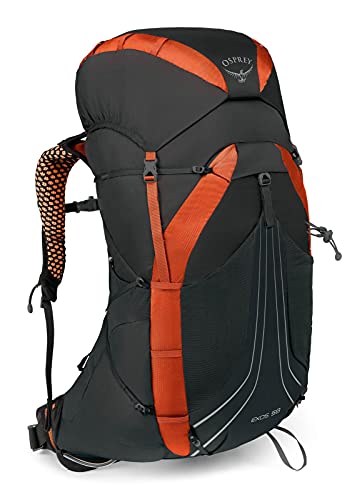
Osprey Exos 58 Backpack
Gregory Optic vs Osprey Exos at a Glance
Gregory Optic vs Osprey Exos: Final Verdict
Pick the Gregory Optic if you want a lighter, softer-feeling backpacking pack for moderate loads and fast-moving trips. It is the better choice when comfort and breathability matter more than carrying extra gear.
Pick the Osprey Exos if you want the more established lightweight backpacking option with stronger structure, excellent ventilation, and a larger-volume setup. For most multi-day backpackers, the Exos is the safer all-around recommendation. For hikers with trimmed-down kits, the Optic is the more comfortable-feeling alternative.