

Updated August 2026.
This article contains affiliate links. We may earn a commission at no additional cost to you if you make a purchase through these links. See our affiliate disclosure for details.
College backpacks take more abuse than any other type of bag. They get dropped on lecture hall floors, crammed into library cubbies, dragged through rain, stuffed with textbooks and laptops, and used every single day for four years. The bag you pick freshman year is either the bag you graduate with or the bag you replace sophomore year because it fell apart.
I’ve gone through the cycle twice – once with a cheap pack that lasted a semester, once with a North Face that lasted all four years and then some. The difference wasn’t luck. It was zipper quality, fabric weight, and strap padding. Here’s what to prioritize.
What a College Backpack Needs
A padded laptop compartment is the only non-negotiable feature. Every college student carries a laptop, and a compartment without padding means a cracked screen the first time you set your bag down too hard. The compartment should be separate from the main storage, sit against your back (for weight distribution), and fit at least a 15-inch screen.
25-30 liters of capacity covers the typical college load: laptop, 1-2 textbooks, notebooks, charger, water bottle, headphones, and lunch. Under 25L gets tight on heavy class days. Over 30L is more pack than you need unless you’re commuting with gym clothes too.
Water bottle pockets on the sides keep drinks accessible and out of the main compartment where they can leak on your laptop. Deep enough for a 32oz bottle is the benchmark – most college students carry reusable bottles, and the pockets need to hold them securely.
Comfortable straps matter more than they do for casual use. You’re wearing this bag for 6-8 hours between classes, the library, and study sessions. Padded straps at least 2 inches wide with a sternum strap prevent shoulder pain. The back panel should have some ventilation too – walking across campus in August with a foam slab pressed against your back is miserable.
What College Students Get Wrong
Buying based on looks instead of construction is the most common mistake. A $30 backpack with cool graphics from Amazon looks fine in the product photos. The zippers fail within 3 months. The strap stitching tears under textbook weight. The fabric pills and fades. You end up buying two $30 bags in a year instead of one $80 bag that lasts four years.
Ignoring weight is another one. An empty backpack that weighs 3+ pounds adds real load when you’re carrying 15-20 pounds of books and a laptop. Lighter packs (under 2 pounds empty) give you more of your weight budget for actual stuff.
Buying too big is less obvious but just as costly. A 40-liter travel backpack looks cool but it’s overkill for class. It’s heavier empty, harder to fit under a desk, and you end up filling it with junk because the space exists. A 28L pack forces you to carry only what you need.
Brands That Hold Up
North Face (Borealis, Jester, Vault) is the most common choice on campuses for a reason. The FlexVent back panel is comfortable in warm weather, the laptop sleeves are well-padded, and the bags last 4+ years of daily use. The Borealis is the sweet spot.

THE NORTH FACE Borealis Commuter Laptop Backpack
JanSport has a lifetime warranty, which is unusual for backpacks. Their Right Pack and Big Student models handle college loads well. The materials are simpler than North Face, but the warranty means they’ll repair or replace the bag if anything breaks.

JanSport Right Pack Backpack - Durable Daypack with...
Osprey makes packs that are overbuilt for campus use, which is a good problem. Their daypacks are designed for trail abuse, so daily campus wear barely registers. The Arcane Large Day and Quasar are popular college picks.
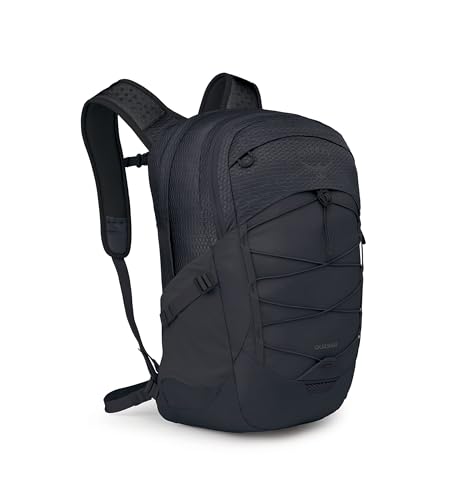
Osprey Quasar Commuter Backpack, Black OS
Herschel occupies the fashion-meets-function space. The Retreat and Little America are the most recognizable campus backpacks after North Face. They look great but the materials aren’t as durable as the outdoor brands. Expect 2-3 years instead of 4-5.

Herschel Retreat™ Backpack, Moonbeam, Standard - 23L
At a Glance: College Backpacks
FAQ
What size backpack for college?
25-30 liters fits a laptop, textbooks, notebooks, water bottle, and daily essentials. The 28-liter range (like the North Face Borealis) is the most popular and covers most students’ needs without being oversized.
How long should a college backpack last?
A quality backpack ($80-$120 from North Face, JanSport, or Osprey) should last all four years of daily use. Budget options ($30-$50) typically last 1-2 semesters before zippers, straps, or fabric fail. The math favors buying one good pack over replacing cheap ones.
Should I get a rolling backpack for college?
Usually no. Rolling backpacks are heavy, awkward on stairs and uneven paths, and look out of place on most campuses. They work well for commuter students with large parking-lot-to-building distances on flat ground. For traditional campus walking, a carried backpack is more practical.
What’s the best backpack for heavy textbooks?
Look for a pack with padded, wide shoulder straps (2+ inches), a sternum strap, and ideally a hip belt or at least a padded back panel. The North Face Borealis and Osprey Quasar distribute heavy loads well. Avoid packs with thin, unpadded straps – they’ll dig into your shoulders under 15+ pounds of textbooks.