
Packable Backpacks: The Best Travel Hack You’re Not Using
This article contains affiliate links. We may earn a commission at no additional cost to you if you make a purchase through these links. See our affiliate disclosure for details. As an Amazon Associate I earn from qualifying purchases.
A packable backpack folds into its own pocket and takes up about as much space as a rolled-up t-shirt. You keep it in your suitcase or carry-on for the trip there, then unfold it for day trips, sightseeing, or beach days when you need a bag but didn't bring a daypack. They weigh almost nothing (most are under 8 ounces) and cost between $15 and $40.
Fabric weight, zipper brand, strap width, and a DWR coat are what separate a bag that lasts from one that splits on the first scrape.
- Unzip the pack's own pocket
- Stuff the whole pack inside
- Zip the pocket closed
- End with a grapefruit-size pouch
What to Expect from a Packable Backpack
A packable backpack is an emergency daypack, not a primary bag. The straps are thin. The fabric is lightweight. There's no padding, no laptop sleeve, and no structural support. You get a bag that weighs almost nothing in the suitcase, and you give up the features of a real daypack. If the bag has to carry every day rather than sit folded in a case, start with our day pack picks instead.
Most packable packs are 15-25 liters when deployed. That's enough for a water bottle, light jacket, sunscreen, snacks, a camera, and souvenirs you pick up during the day. They work when you did not pack a day bag: a hike from a trailhead, extra shopping, a beach stop.
Fabric, zippers, straps, and rain
Fabric is the main split. Cheap packable packs use 20D nylon that tears on a scrape. Better ones use 30D-40D ripstop nylon that handles scraping against walls and stone. The weight difference between 20D and 40D is maybe an ounce; the durability gap is the reason to pay it.
The zipper is the most common failure point. Ultra-lightweight zippers snag, split, and jam. Look for SBS or YKK: those cost the manufacturer pennies more and last years longer. If the listing does not name the zipper brand, assume it is generic and fragile.
Straps matter once you put any weight in the bag. Some packable packs use 1-centimeter-wide straps that cut into your shoulders under 5 pounds. Better models use 1-inch straps with a thin foam layer. You will not get the shoulder comfort of a structured daypack, but you should not be in pain after an hour of walking.
Water resistance is inconsistent. Some packable packs are completely uncoated, so one rain shower soaks everything inside. Others use DWR-coated nylon that sheds light rain. Neither is waterproof. The coated ones handle drizzle without soaking your gear, which is the version to buy when rain is likely.
When to Use One
The classic use case is travel. You fly somewhere with a rolling carry-on. The packable backpack lives in the suitcase until you need a day bag. Unfold it, load it for the day, and fold it back up at night. For most of the trip it costs you a t-shirt of space.
Hikers and outdoor travelers use them as emergency bags. If you're on a long road trip and spot a trailhead, having a packable bag means you can carry water and snacks on a spontaneous hike instead of leaving everything in the car.
Some people use them as packing aids: the folded backpack acts as a compression pouch for dirty laundry or souvenirs on the return trip. If you bought more stuff than you came with, the packable backpack becomes your overflow bag.
How to pick a packable backpack
If you're buying one for occasional travel and don't expect to abuse it, the $15-$20 Amazon options in 20L with ripstop nylon work fine. If you're a frequent traveler or plan to actually hike with it, spend $25-$40 on a model with 30D+ ripstop, padded straps, and water resistance. The extra $15 buys real durability.
Skip the oversized ones. A 35L packable backpack is a huge bag with zero structure, so it sags and bounces on your back. 15-20L stays manageable without a frame.
Four Packable Backpacks That Get the Basics Right
Each pick below sits in the 18L to 20L range, stuffs into its own pocket, and uses a ripstop fabric instead of the thin uncoated nylon that gives out against a stone wall.
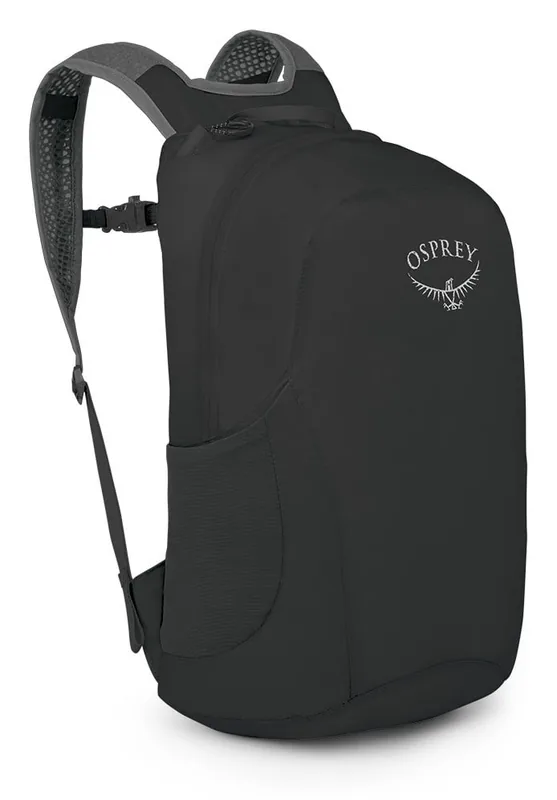
Osprey Ultralight Collapsible Stuff Pack
Osprey builds this one to the same standard as its full daypacks, which is why the straps and zippers hold up longer than the price bracket suggests.
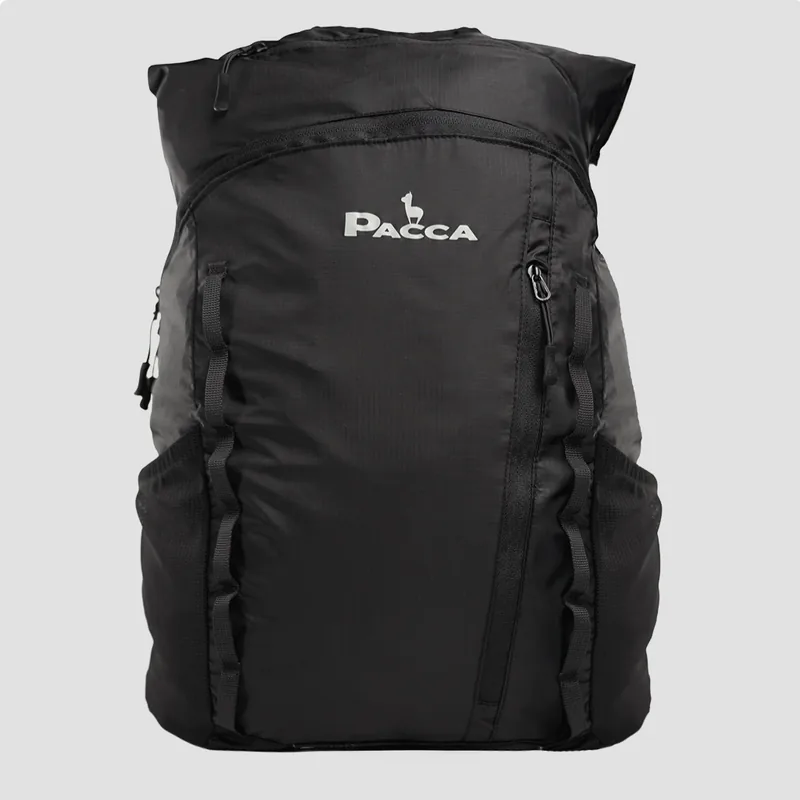
Pacca Onda 20L Packable Backpack
The 40D ripstop with a DWR finish is the fabric spec worth paying for if you travel anywhere with unpredictable weather.
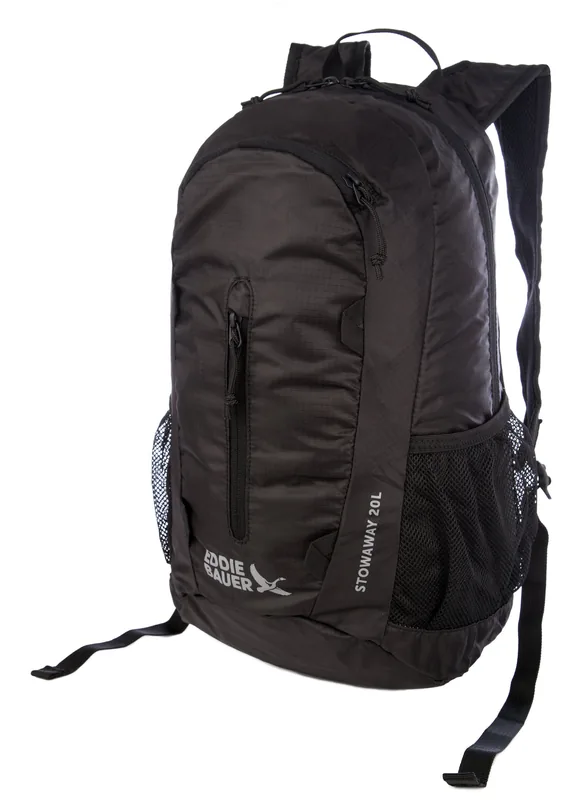
Eddie Bauer Stowaway Packable Backpack
Polyester takes abrasion better than the same weight of nylon, so this is the one to pick if the bag will actually leave the suitcase most days.
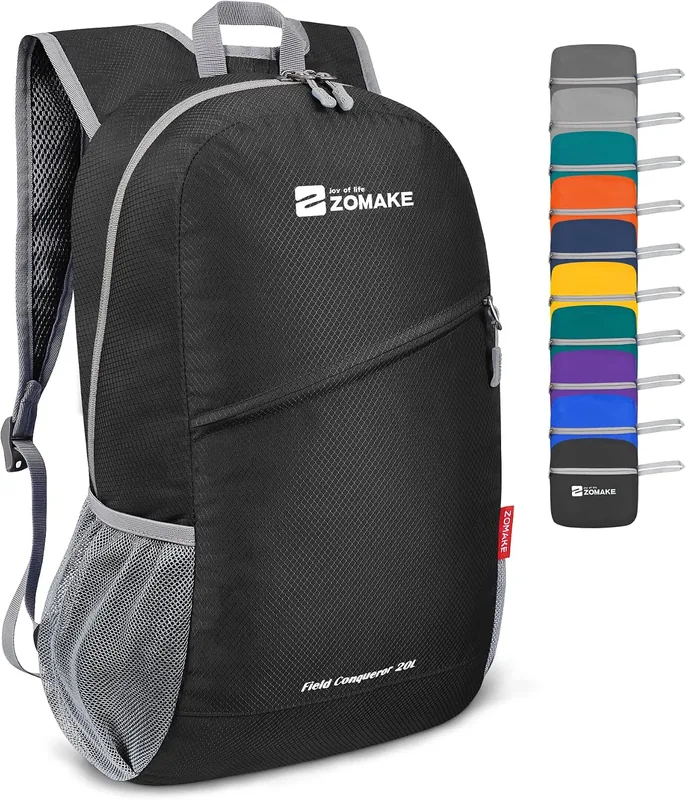
ZOMAKE 20L Packable Backpack
Barely over half a pound and the cheapest option here, which makes it easy to leave in a carry-on all year.
Packable backpacks compared
FAQ
Are packable backpacks durable?
It depends on the fabric weight. 20D nylon packs are fragile and tear easily on rough surfaces. 30D-40D ripstop models handle real use without ripping. Don't expect daypack durability. Packable packs are built for occasional use, not daily carry. Treat them gently and they'll last for years of travel.
What's the best size for a packable backpack?
15-20 liters covers most day-trip needs without being too big to carry comfortably with thin straps. Over 25L creates a bag that sags and shifts because there's no structural frame to support the weight.
Can you carry a laptop in a packable backpack?
Physically, a 20L+ pack can hold a laptop. But there's no padding or sleeve to protect it. One bump against a door frame or chair and you're looking at a cracked screen. Don't use a packable backpack for electronics unless they're in a separate padded sleeve.
How small do packable backpacks fold?
Most fold to roughly the size of a grapefruit or rolled-up t-shirt. Some compress smaller with their own stuff-sack pocket. The packed dimensions are typically around 6 x 6 x 3 inches, which tucks into a suitcase corner or even a jacket pocket.
Filed in Travel Bag Tips