Hartmann Luggage: Is America’s Oldest Luggage Brand Still Worth It?

This article contains affiliate links. We may earn a commission at no additional cost to you if you make a purchase through these links. See our affiliate disclosure for details. As an Amazon Associate I earn from qualifying purchases.
Hartmann has been making luggage since 1877, which puts it among the oldest luggage brands in America: older than Samsonite, older than Tumi, older than the modern suitcase. The brand built its reputation on leather trunks and steamer bags when travel meant train stations and ocean liners. Today it sells softside spinners, hardside carry-ons, and its herringbone-patterned pieces through its own website at prices between $260 and $1,500.
Hartmann is easy to miss. It does not compete on volume or Amazon search. It sells directly through shop.hartmann.com and a handful of department stores. There is no Amazon storefront. The pitch is heritage construction sold like Briggs & Riley, not like Samsonite, even though Samsonite has owned Hartmann since 2012.
The Collections
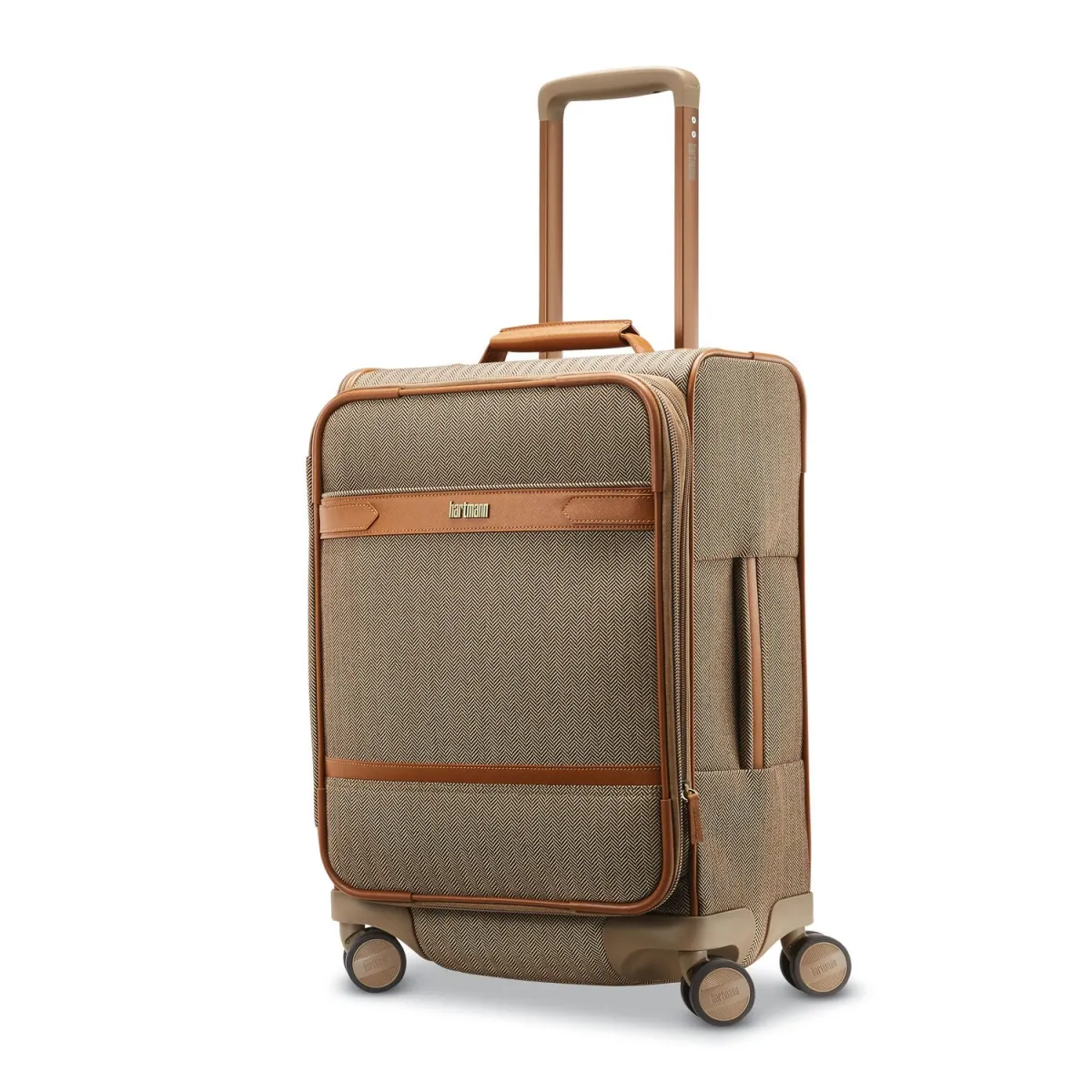
Hartmann currently sells 26 luggage pieces across seven collections. The range spans from a $260 hardside carry-on to an $800 tweed-and-leather piece that looks like it belongs in a Wes Anderson film. The seven lines split like this.
Herringbone Deluxe is the signature line and the one most people picture when they think of Hartmann. The herringbone pattern, a woven textile in black or terracotta, has been the brand’s visual identity for decades. These are softside expandable spinners available as carry-on, medium, and extended journey sizes. The pattern is distinctive enough that frequent travelers recognize it on a baggage carousel. If you’re buying Hartmann for the brand identity, this is the collection.
The Reserve collection is the premium tier for travelers who want Hartmann quality without the herringbone pattern. Clean lines, softside construction, and a more modern look in Midnight Navy or Oak. The Reserve line is priced above the Herringbone Deluxe collection. It’s also the collection that has drawn the most owner feedback, which counts for something at a brand that sells exclusively through its own site.
The Luxe II is Hartmann’s entry point and its hardside option. The carry-on is the cheapest way into the lineup, and it’s frequently discounted. Leather trim on a hardside shell gives it a look that’s distinct from the Samsonites and Delsey cases that dominate the $200-400 hardside market. It’s also the brand’s most-purchased piece. Leather trim ages the way a full hide does, which is the case we make for a leather backpack over a synthetic one.
Tweed is the heritage play. The domestic carry-on is priced above most Tumi carry-ons and well into Rimowa territory. The construction uses actual tweed fabric with natural leather trim. Tweed is the look-first bag. People buy it because it looks like an heirloom, the kind of bag that gets compliments from flight attendants and curious looks at the gate.
The remaining collections, InnovAire (lightweight hardside, currently on clearance), Century Deluxe, and Metropolitan 2, round out the lineup with less distinctive options. InnovAire was Hartmann’s lightweight hardside play but appears to be on its way out.
Who Hartmann Is For
Hartmann makes sense for a specific type of traveler. You care about how your luggage looks and you’re willing to pay for it. You travel frequently enough that a $400-800 bag gets enough use to justify the price. You’d rather buy from a brand with 148 years of history than a DTC startup with slick Instagram ads.
The brand doesn’t make sense if you’re looking for a budget carry-on, if you want the latest in luggage technology and materials, or if buying directly from a brand’s website instead of Amazon is a dealbreaker. Hartmann’s distribution model means you can’t compare prices across retailers, read thousands of Amazon reviews, or get Prime shipping.
Hartmann vs. the Luxury Competition
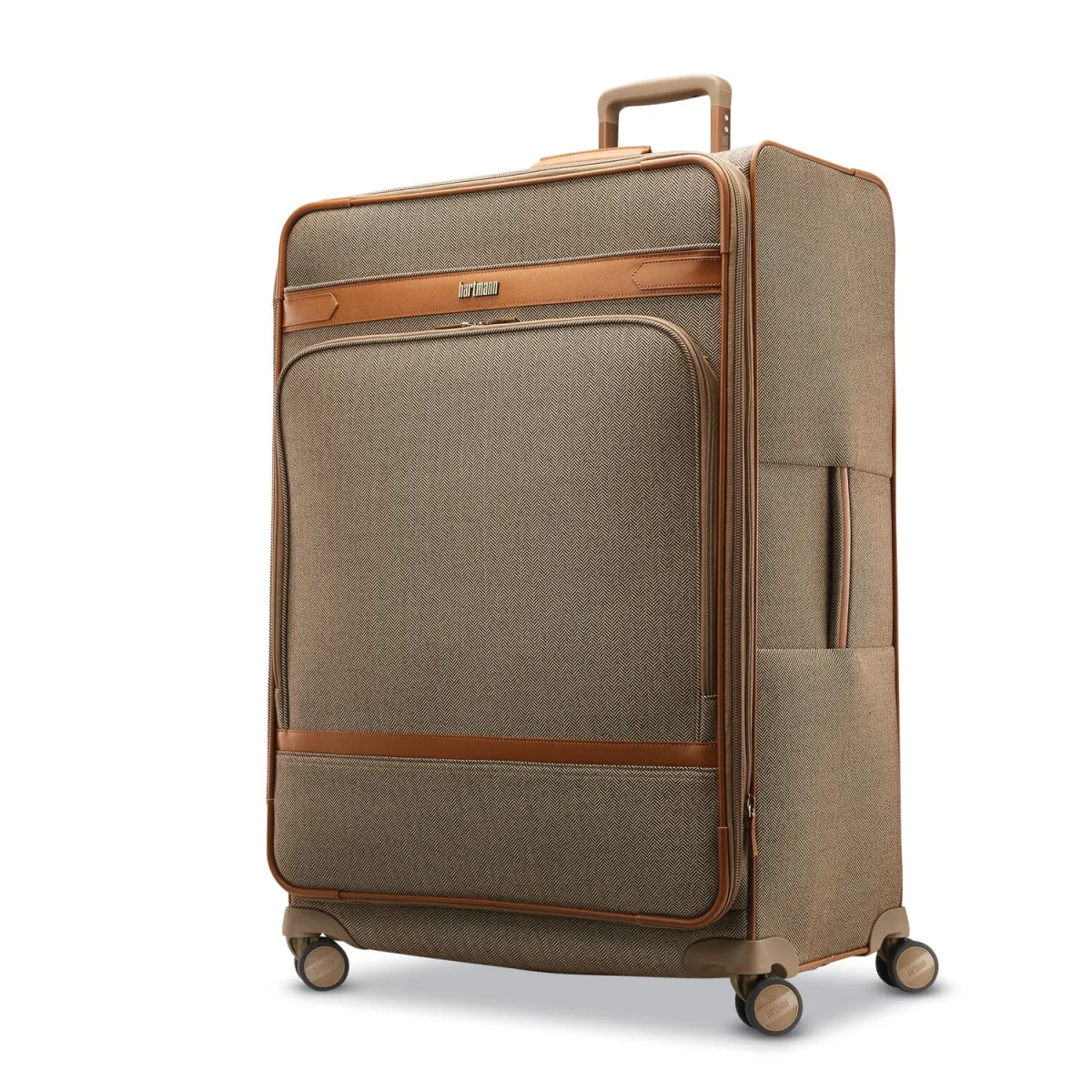
At $360-800, Hartmann sits in a crowded luxury bracket. The useful comparisons are Tumi, Briggs & Riley, and Rimowa.
Hartmann sells only through its own site, so the two competitors below are the ones you can order on Amazon today. If direct-only buying is a dealbreaker, start there.
vs. Tumi: Tumi’s Alpha 3 carry-on costs more than twice what Hartmann’s Herringbone Deluxe carry-on does. Both are softside, both target professional travelers, both have heritage branding. Tumi has wider retail distribution and a more recognizable name among business travelers. Hartmann has the price advantage and the herringbone pattern as a differentiator.
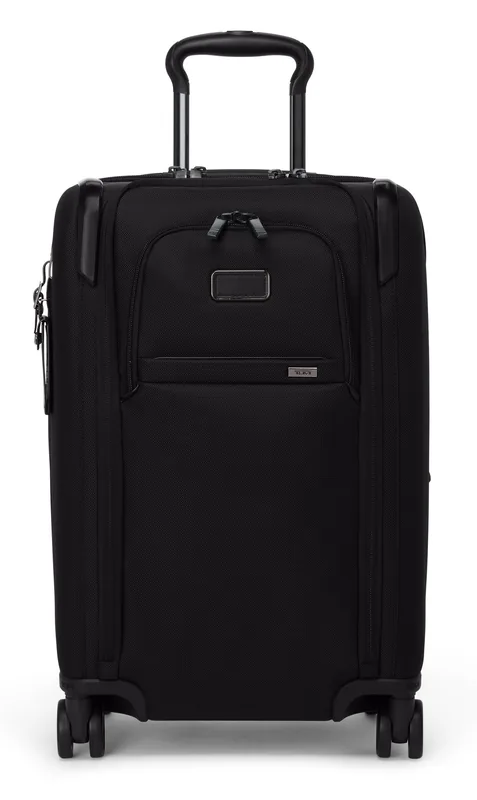
The Alpha carry-on the comparison above is built on, in the four-wheeled dual-access trim with a front opening for the things you reach for at the gate.
vs. Briggs & Riley: Briggs & Riley’s Baseline carry-on costs more than Hartmann’s, with a lifetime guarantee that covers airlines breaking your bag. Hartmann’s warranty is strong but not quite at that level. Briggs & Riley wins on durability reputation. Hartmann wins on visual distinctiveness.
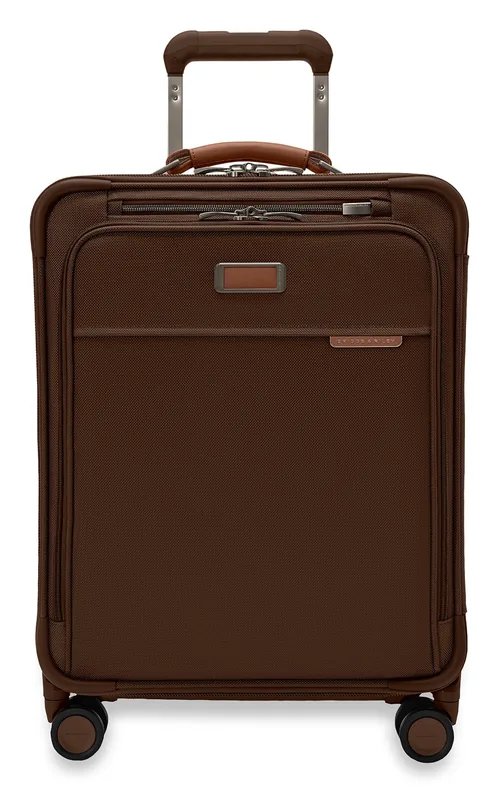
The 21-inch Baseline Global, the bag behind the lifetime guarantee argument.
vs. Rimowa: Rimowa starts around $700 for a cabin case and runs well over $1,000. It’s the brand-as-status-symbol pick. Hartmann’s Tweed collection plays in this space aesthetically but with softer construction. Rimowa’s aluminum cases are the modern luxury standard for people buying the look. Hartmann’s Tweed line is the older, softer version of that same impulse. If Rimowa is on your shortlist, our Tumi vs Rimowa comparison sets its two cabin cases against Tumi's carry-ons on weight, width and warranty.
For a broader comparison of where Hartmann fits in the market, see our breakdown of the most expensive luggage brands and what you actually get at each price tier.
The Samsonite Question
Samsonite acquired Hartmann in 2012, which raises the ownership question. Hartmann still runs as a separate brand with its own design team, materials, and prices. Samsonite does not put the Hartmann name on its mass-market cases. The Herringbone Deluxe does not appear in Samsonite’s own lineup.
Corporate ownership still leaves a mark. Hartmann’s store footprint shrank after the acquisition. Nobody here has a pre-2012 herringbone and a 2026 one on the same bench, so the quality-shift argument stays unresolved. The current bags are reviewed as luxury pieces and priced that way.
FAQ
Where can I buy Hartmann luggage?
Primarily through shop.hartmann.com. You’ll occasionally find Hartmann at department stores like Nordstrom or Macy’s, but selection is limited. Hartmann doesn’t sell on Amazon. The direct website runs frequent sales; 25-30% off is common on most collections.
Does Hartmann luggage come with a warranty?
Yes. Hartmann has a limited warranty that covers manufacturing defects. The coverage period varies by collection but typically extends 10 years. It doesn’t cover airline damage or normal wear. Briggs & Riley’s lifetime warranty is more generous if warranty coverage is a deciding factor.
Is Hartmann luggage worth the price?
At full price, Hartmann is expensive relative to what you get functionally. A $430 Herringbone Deluxe spinner doesn’t roll better or hold more than a $200 Samsonite. You’re paying for the herringbone pattern, the brand history, and the leather details. On a typical 25-30% sale, the Luxe II carry-on lands closer to other mid-range hardsides.
Is Hartmann still owned by Samsonite?
Yes. Samsonite International acquired Hartmann in 2012. Hartmann operates as an independent brand within Samsonite’s portfolio, alongside Tumi (which Samsonite also owns). The products are designed and manufactured separately from Samsonite’s own luggage lines.
What is the Hartmann herringbone pattern?
It’s a woven textile pattern that Hartmann has used as its signature design for decades. The diagonal zigzag weave comes in black or terracotta colorways and covers the exterior of the Herringbone Deluxe collection. It’s the easiest way to identify Hartmann luggage on sight.
Filed in Luggage Reviews