
Updated April 2026.
This article contains affiliate links. We may earn a commission at no additional cost to you if you make a purchase through these links. See our affiliate disclosure for details.
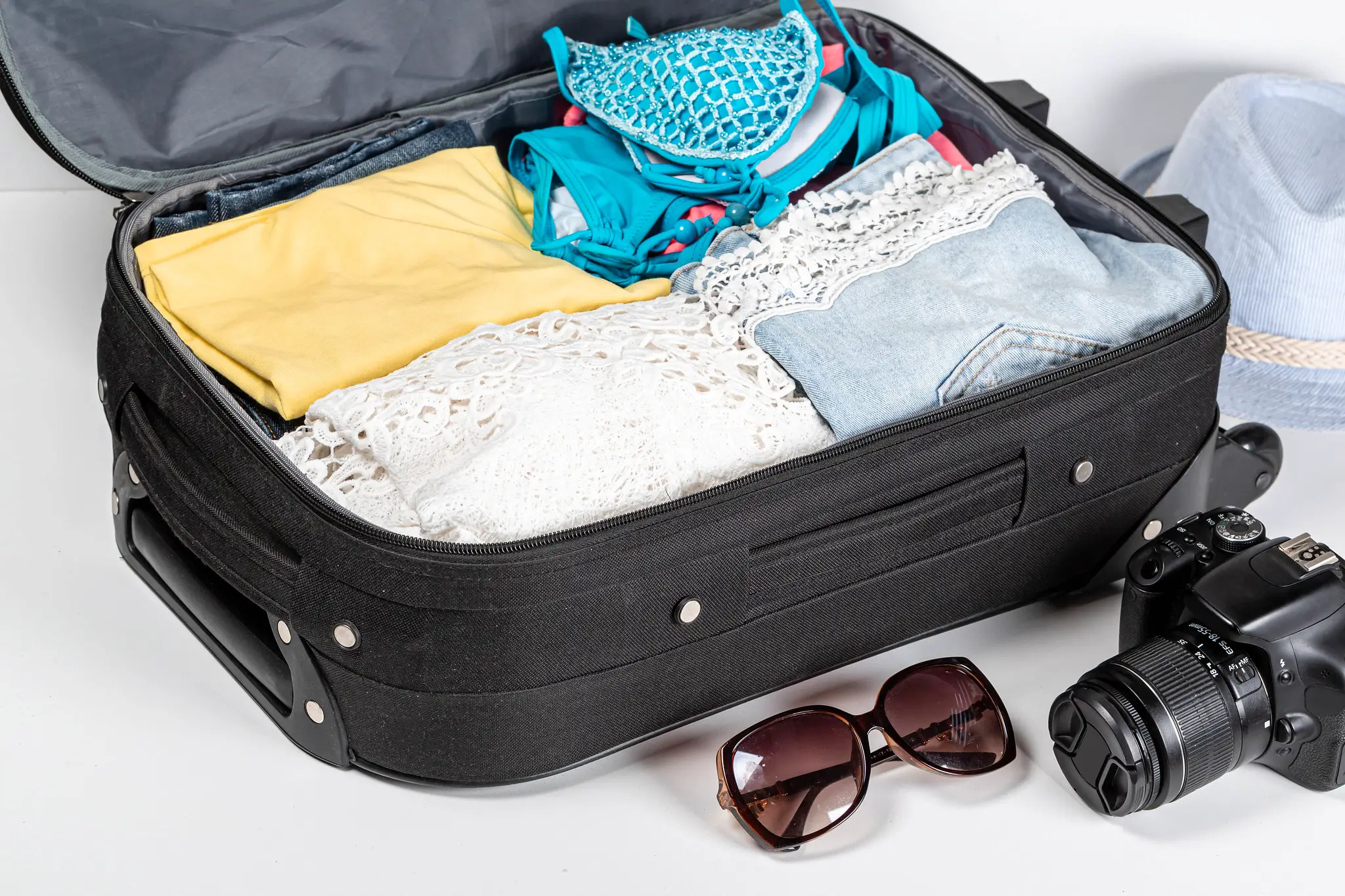
The easiest way to maximize luggage space is to stop treating the suitcase like one big open box. Give every category a job: soft clothes get rolled, outfits get grouped, bulky layers get compressed, shoes become storage pockets, and anything you might not use gets cut before it steals room from the things you actually need.
That matters even more with carry-on packing, where a messy suitcase can turn into extra baggage fees, broken zippers, or the classic airport-floor repack. We would rather fix the system before check-in than negotiate with a bulging bag at the counter.
Start With a Flat Packing Surface
Before anything goes into the suitcase, lay everything out on a bed or floor. This is the fastest way to spot duplicates, wishful-thinking outfits, and bulky items that do not earn their space.
Keep the first pass simple: one pile for must-pack items, one pile for nice-to-have items, and one pile for things that only make sense if the bag still has room. Most packing problems start because all three piles go straight into the suitcase.
Roll Clothes That Can Handle It
Rolling works best for casual shirts, knits, leggings, jeans, pajamas, and soft layers. It turns floppy clothing into dense shapes that are easier to stack around suitcase rails, corners, and shoe gaps.
It is also helpful when you pack a weekender bag, because small bags punish sloppy folding fast. Roll similar items together so the bag stays balanced instead of building one heavy corner.
Use Packing Cubes for Control, Not Magic
Packing cubes do not create space by themselves. Their real value is control: one cube for tops, one for underwear and socks, one for gym or sleep clothes. That makes it easier to fill the bag tightly without having loose fabric spill into every corner.
If you are deciding whether they are worth the extra gear, our packing cubes guide breaks down where they help and where they just add another thing to pack.
Compress Bulky Items
Compression bags are the move for puffers, sweaters, ski layers, towels, and any other soft item that traps a lot of air. They are especially useful when packing for a ski trip or a colder-weather itinerary where one jacket can bully the whole suitcase.
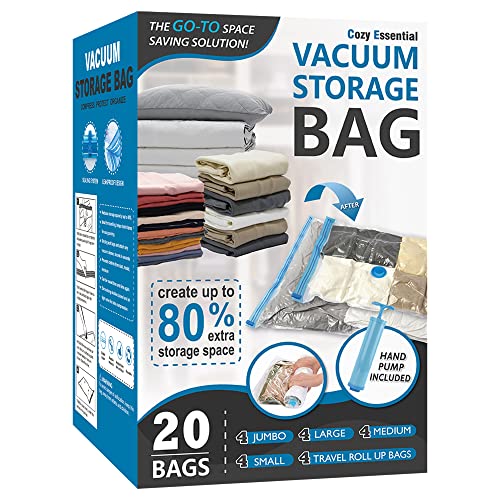
Travel Compression Bags
Compression bags are the most direct way to shrink bulky clothing when suitcase space is the constraint, especially on gear-heavy trips.
$17.49 on Amazon, price may vary
Use compression with a little restraint. If the bag gets thinner but heavier and harder to bend, it can still make the suitcase awkward to close. Compress the bulky soft stuff, then place it near the bottom or hinge side so the suitcase keeps its shape. We cover the options worth buying in our guide to compression bags for travel.
Use Shoes as Storage
Shoes waste space when they are packed empty. Fill them with socks, chargers, belts, swimwear, or other small items that can handle the shape. Put shoes heel-to-toe along the edge of the suitcase or near the wheel base where the structure is already uneven. A pair of shoe pouches for packing keeps dirty soles off the clothes packed around them.
Keep anything delicate out of shoes unless it is inside a pouch. A little organization here saves space without turning unpacking into a scavenger hunt.
Use the Lid for Light, Flat Items
The suitcase lid is best for underwear, scarves, thin sleepwear, laundry bags, and other light pieces. It is not the right place for hard toiletry bottles, shoes, or anything that can press into the outer shell.
This is also where a small laundry pouch helps. Dirty clothes expand as the trip goes on, so giving them a dedicated spot keeps the return pack from becoming a completely different puzzle.
Separate Items by How You Use Them
Do not separate items only by category. Separate them by access. Airport liquids, chargers, one clean shirt, medication, and sleep essentials should be reachable without unpacking the whole bag.
Toiletries, cosmetics, and tools can share a zone if they are contained, but loose bottles and cables are suitcase chaos. Put small items in pouches, then use those pouches to fill gaps around larger packing cubes.
Make a Final Cut Before You Zip
Once everything is packed, reopen the suitcase and remove the weakest items. That sounds annoying, but it is the step that prevents overpacking. If you have to sit on the bag, the suitcase is already telling you the system failed. Trim far enough and you land on traveling with no luggage, which some travelers do on purpose.
Start by cutting duplicate bottoms, extra shoes, bulky just-in-case layers, and full-size toiletries. Our packing mistakes guide covers the habits that usually create the overflow in the first place.
Quick Space-Saving Checklist
| Packing Move | Best Use | Watch Out For |
|---|---|---|
| Roll soft clothes | T-shirts, knits, pajamas, jeans | Wrinkle-prone dress pieces may be better folded |
| Use packing cubes | Grouping outfits and categories | Cubes organize space, but they do not replace editing |
| Compress bulky layers | Jackets, sweaters, ski gear, towels | Compression can make the bag dense and harder to close |
| Fill shoes | Socks, belts, chargers, swimwear | Use pouches for anything clean or delicate |
| Use the lid | Light flat items and laundry bags | Avoid hard items that press into the shell |
| Final cut | Removing duplicates and maybes | Do it before the zipper is under strain |
Luggage Space Questions
What is the best way to maximize space in luggage?
Use a combination of editing and compression. Roll soft clothes, contain categories in packing cubes, compress bulky layers, fill shoes, and remove duplicate items before closing the suitcase.
Is rolling better than folding?
Rolling is usually better for casual clothes and soft layers. Folding is better for structured shirts, trousers, and pieces where wrinkles matter more than density.
Do packing cubes save space?
Packing cubes mostly save space indirectly. They keep items contained so you can pack more tightly, but compression cubes or compression bags do more actual shrinking.
What should I not pack in the suitcase lid?
Avoid heavy or hard items in the lid, including shoes, dense toiletry bottles, and electronics. They can distort the bag, press into clothing, or make the suitcase harder to close evenly.
What should I remove first if my suitcase is too full?
Start with extra shoes, duplicate bottoms, bulky just-in-case layers, and full-size toiletries. Those items usually take the most room for the least daily value.