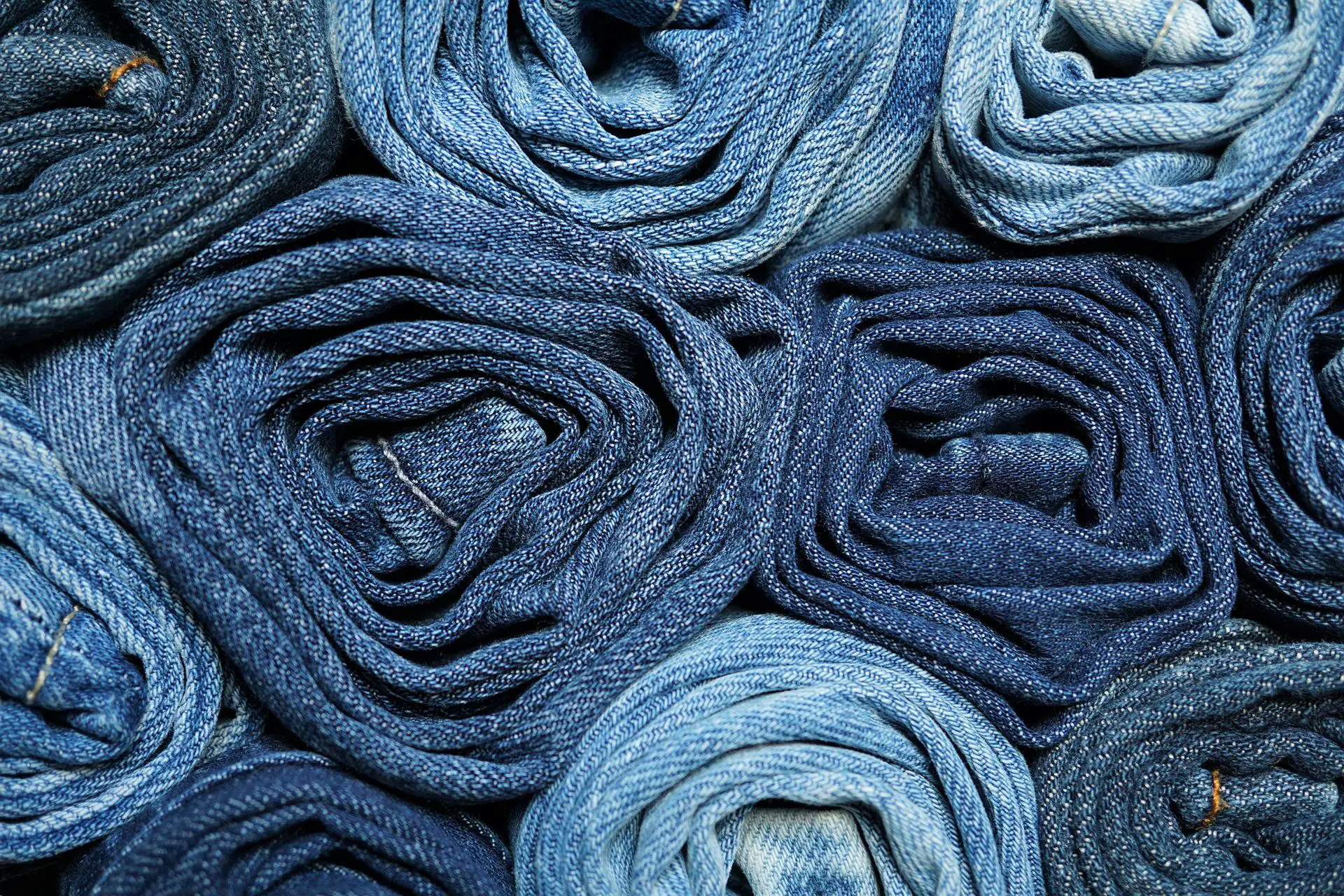
The Ranger Roll: How to Pack Clothes Tight Without Wrinkles
This article contains affiliate links. We may earn a commission at no additional cost to you if you make a purchase through these links. See our affiliate disclosure for details.
The ranger roll is a military packing method named after the U.S. Army Rangers. You fold the hem of a garment inside out to make a cuff, roll from the collar toward that cuff, and tuck the roll into the cuff so it locks. That inside-out hem cuff is the ranger roll. Tucking the finished roll into a sock is a different fold. The roll takes less room than a folded stack, resists creasing when the fabric stays taut, and lets you pull one item out without unpacking the bag. It also works if you are traveling with no luggage and everything has to fit in a personal item.
- Lay it flat, fold the sleeves in
- Fold the hem inside out
- Roll tightly from the collar
- Tuck the roll into the cuff
What a Ranger Roll Is
How the Technique Works
The ranger roll is a space-saving method for packing clothes into a tight cylinder instead of a folded stack. Fold the hem inside out about three inches so it forms a pocket. Roll from the collar toward that cuff, keeping the fabric taut. Tuck the finished roll into the cuff so it cannot unwind. Rolling toward a pair of socks and stuffing the bundle into the sock is a different roll under a similar name.
Why People Use It
- A tight roll packs more shirts into the same cavity than a folded stack, because the air pockets between folds disappear.
- Clothes stay less likely to wrinkle if you keep the fabric taut while you roll. Loose rolls crease. Tight ones don't.
- You can lift one roll out without digging through the rest of the bag.
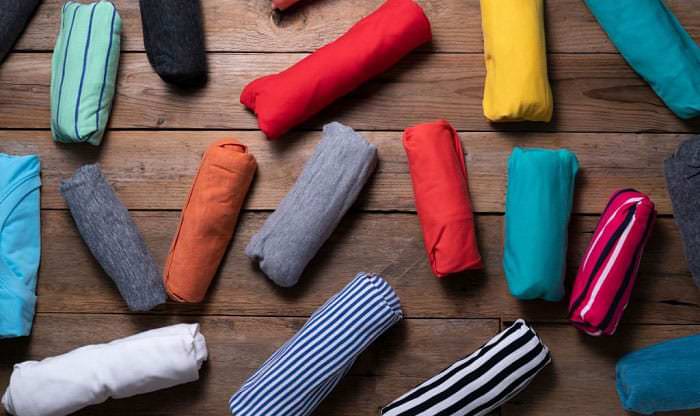
Ranger Rolling Different Garments
Ranger Rolling Shirts and Tops
- Lay the shirt flat and fold the sleeves in.
- Fold the hem inside out about three inches to make a cuff pocket.
- Roll tightly from the collar toward that cuff, keeping the fabric taut and smooth.
- Tuck the finished roll into the cuff so it locks. Do not stuff the roll into a sock.
Pro tip: Lightweight fabrics such as polyester or merino wool make the tightest shirt rolls.
Ranger Rolling Pants and Bottoms
- Fold the pants in half, aligning the legs.
- Fold the cuffs inside out about three inches to make a pocket. For jeans, fold lengthwise one more time first so the roll matches your shirts.
- Roll tightly toward that cuff, keeping the fabric smooth and taut.
- Tuck the finished roll into the cuff. A belt-tuck is a different lock.
Pro tip: For jeans, fold them lengthwise one more time before rolling so the finished roll matches the diameter of your shirts.
Ranger Rolling Undergarments and Socks
- For socks, fold one cuff inside out, stack the pair, and roll from the toe into that cuff.
- For underwear, fold the waistband inside out to make a pocket, then roll toward it and tuck.
- Keep the fabric taut so the cuff lock holds.
- Do not stuff socks into a shirt hem. That is the sock-tuck, not the ranger roll.
Pro tip: Small rolls of underwear and socks fill the gaps between larger ones.
Packing Your Backpack with Ranger Rolls
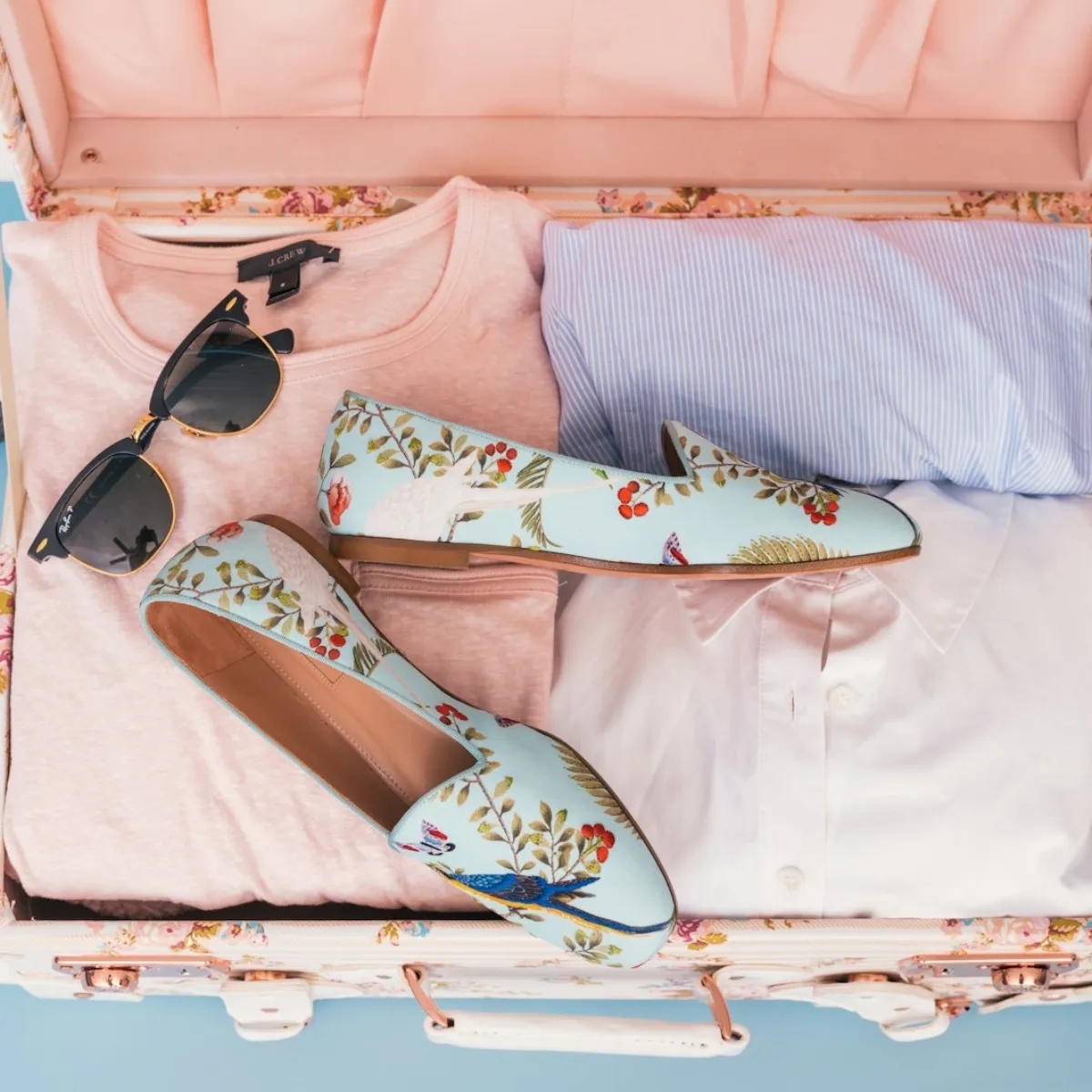
How to Stack Rolls in a Backpack
Stack heavier rolls at the bottom and lighter ones on top so the pack doesn't pull backward.
Packing cubes keep shirt rolls, sock rolls, and underwear rolls in separate piles once you start pulling items out.
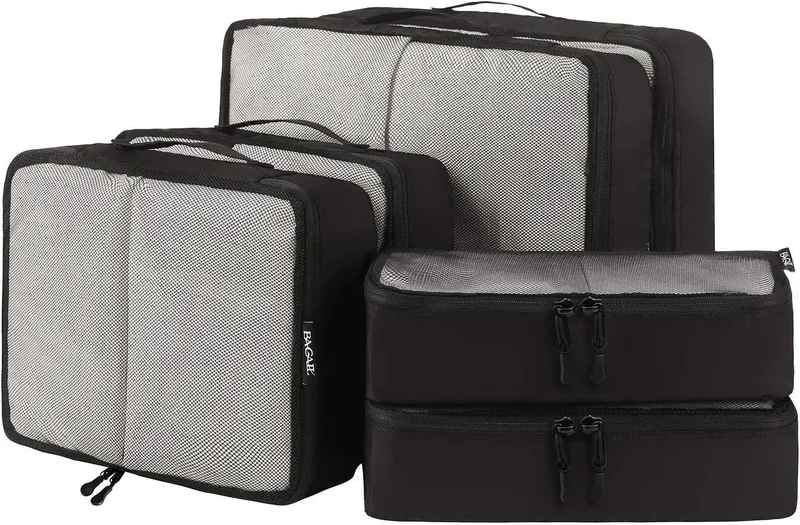
Six cubes across four sizes, which is enough to keep shirt rolls, sock rolls, and underwear rolls in separate containers instead of one loose pile.
Rolling More Than One Item
Roll a t-shirt around a pair of shorts when you want one bundle per outfit instead of two.
The same roll works on towels, a thin blanket, or a stuff sack.
Packing a Weekender, in Order
Rolls are the unit. A weekender bag is the container, and for two or three nights the order you load it in decides whether you can find anything on Saturday morning.
- Flat shoes first, at the bottom or along the sides. Sandals and flip-flops fill the awkward edges nothing else wants. Bulkier sneakers, dress shoes and heels go in their own bag, a shoe bag or a doubled grocery bag, so they stay scuff-free and keep grit off your clothes.
- Bundle by outfit, not by garment. Make a core from a pair of underwear and two socks, then wrap the shirt and the pants or shorts around it. Two or three bundles cover a weekend, and you never stand over the bag deciding what to wear.
- Decant the toiletries. Small reusable bottles instead of full-size mouthwash and skin cream, labeled so you can tell them apart, with the caps turned tighter than feels necessary. A bottle that opens in transit ruins more than the toiletry bag.
- Give underwear and lingerie a zipped pouch. Any zippered cosmetic pouch does the job, and it means nothing personal is on display when the bag is opened in a shared room or at security.
- Pack a flat spare bag on top. A foldable tote or a lightweight crossbody weighs nothing and becomes your day bag at the beach or in town, so the weekender stays in the room. A second one takes the dirty laundry home separately from the clean clothes.
- Keep a sealable bag for wet things. Swimwear, a damp towel or a rained-on shirt goes straight into it rather than against everything else you packed.
Ranger Roll Troubleshooting
What Goes Wrong
Rolling too loosely. Loose rolls unwind and crease. Keep the fabric taut from the first turn to the last tuck.
Mismatched sizes. Rolls of wildly different diameters leave gaps. Keep them close in size, or use compression bags on a finished layer.
Thick Fabric and Slippery Fabric
- Thick fabrics: for fleece or denim, fold lengthwise one more time before rolling so the finished roll doesn't balloon.
- Slippery fabrics: for silk or satin, add a rubber band or a hair tie so the last tuck cannot slide open.
If You Don't Want to Roll
Other Ways to Save Space
- Compression bags squeeze leftover air out of a finished layer. Roll-up bags work in a hotel room where a vacuum set wouldn't.
- The KonMari folding method files clothes in a row instead of stacking them, which also saves space if you prefer not to roll.
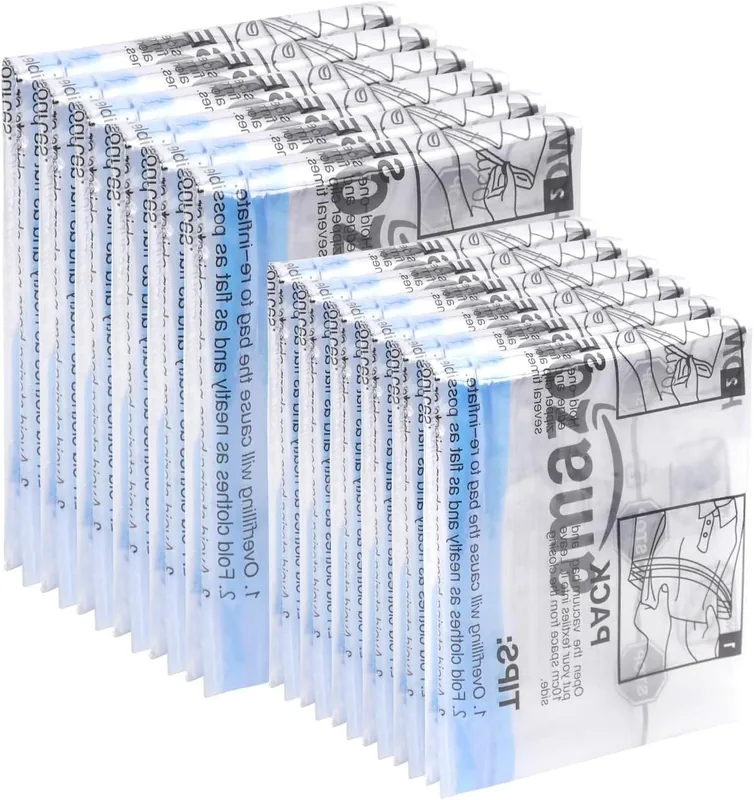
Roll-up bags push the air out by hand, so they work in a hotel room where a vacuum-powered set would be useless.
Packing Gadgets and Small Gear
- Fit smaller items inside larger ones, socks in shoes, a charger in a mug, so the gaps don't stay empty.
- Keep chargers and cords in a small pouch so they don't tangle in the rolls.
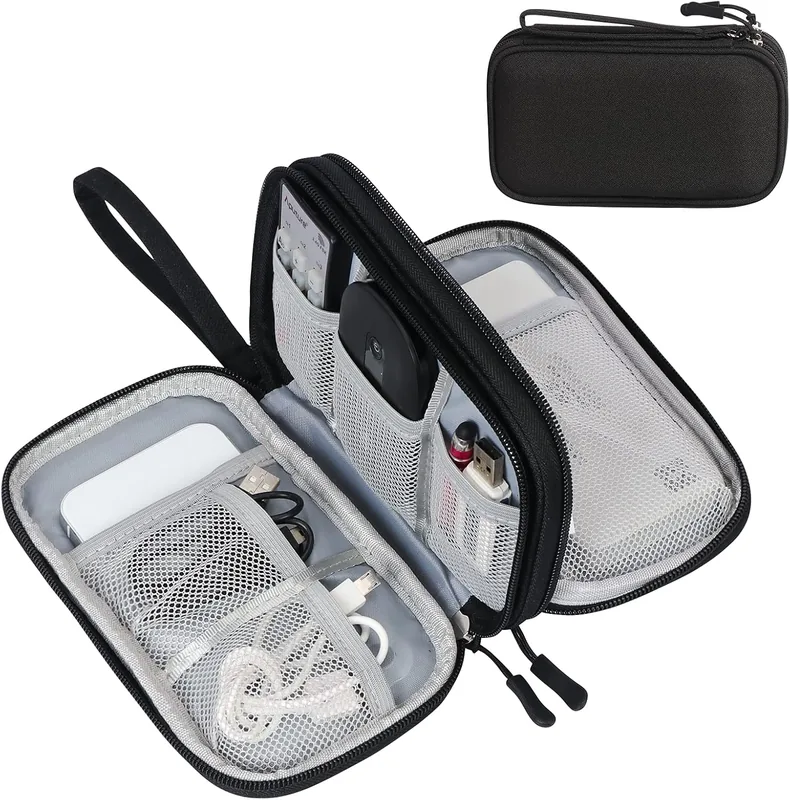
Elastic loops and mesh pockets for chargers and cords, sized to sit flat on top of a layer of rolls.
Gear That Makes Rolling Work
A tight roll still needs the right bag around it. A carry-on sized pack holds a week of rolls in rows, a weekender covers two or three nights, and a compression cube squeezes a finished layer down when the bag is nearly full.
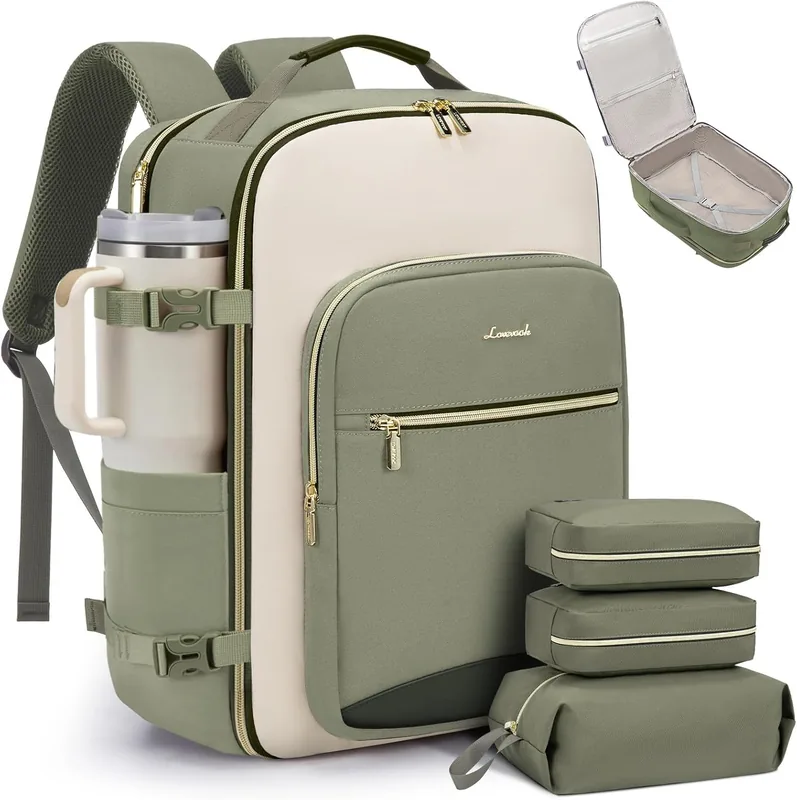
LOVEVOOK 40L Travel Backpack
Check Price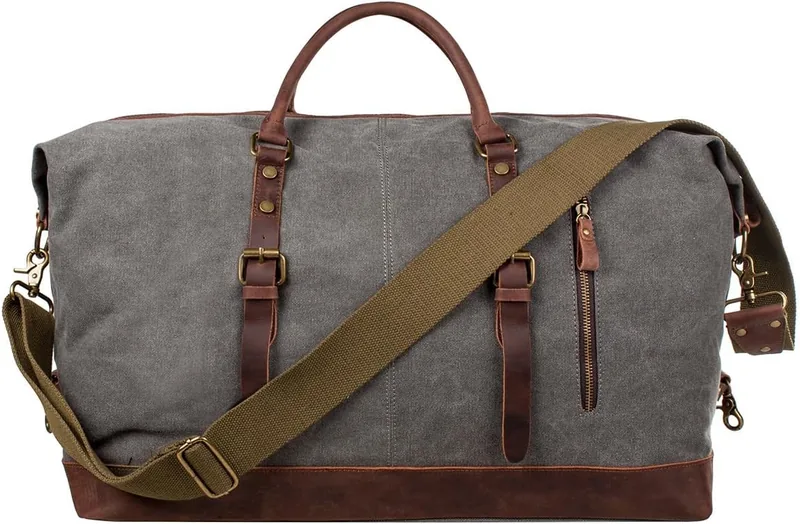
S-ZONE Canvas Weekender Duffel
Check Price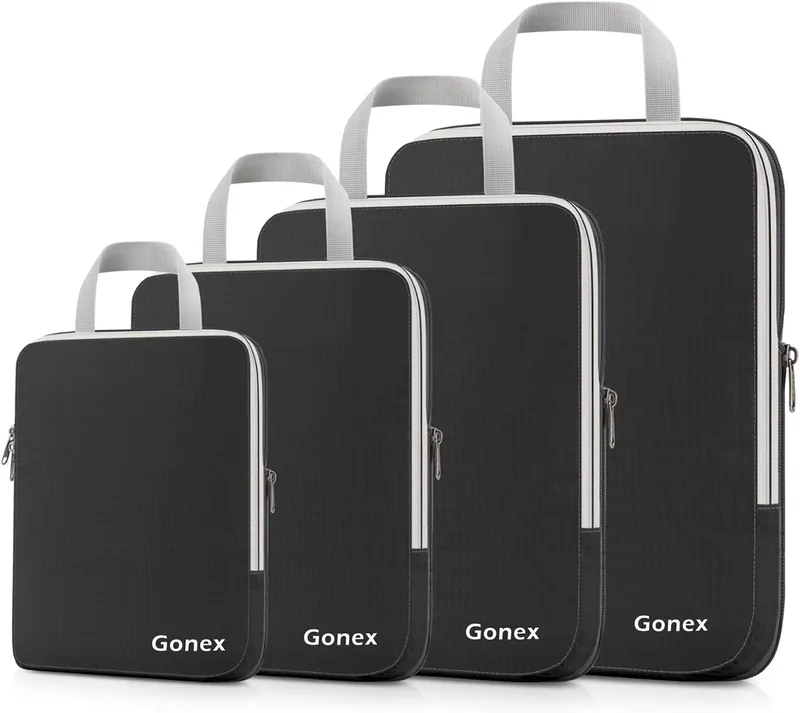
Gonex Compression Packing Cubes
Check PriceWhy the Ranger Roll Works
Three things make the ranger roll worth learning: it saves space, it keeps clothes from creasing, and it lets you pull one item out without unpacking the bag around it. Practice on a couple of shirts before your next trip and it stops feeling fiddly.
FAQ
What is the ranger roll?
It is a packing method named after the U.S. Army Rangers. You fold the hem inside out to make a cuff, roll from the collar toward that cuff, and tuck the roll into the cuff so it locks. The result is a compact bundle that stays rolled in your bag. A sock-tuck is a different fold.
Does the ranger roll save space?
Yes, because a tight roll removes the air pockets that a folded stack leaves behind, and the rolls stack in layers with very little dead space between them. Consistent roll sizes matter more than anything else here. Rolls of wildly different diameters waste the space they are supposed to save.
Do ranger rolls wrinkle your clothes?
Less than folding does, as long as you keep the fabric taut and smooth while you roll. Creases come from loose rolling, not from the technique itself. Lightweight, wrinkle-resistant fabrics like polyester and merino wool come out cleanest.
Can you ranger roll jeans and thick fabrics?
You can, with one extra step. Fold denim, fleece, and other bulky items lengthwise one additional time before you start rolling, which keeps the finished roll from ballooning out to twice the size of your shirt rolls.
Do you still need packing cubes if you ranger roll?
You don't need them, but they help. Rolls hold their shape on their own; cubes keep the categories from mixing once you start pulling items out mid-trip. If you repack every day or two, cubes are worth the small space they take.
Filed in Packing Tips