
First Hostel Stay? How to Keep Your Luggage Safe

This article contains affiliate links. We may earn a commission at no additional cost to you if you make a purchase through these links. See our affiliate disclosure for details. As an Amazon Associate I earn from qualifying purchases.
You can bring a suitcase to a hostel, and in most places that is completely normal. The real question is where your important things go once you arrive. A hostel room is shared space, so your security plan should be simple: keep irreplaceable items on you, lock the bag or locker you leave behind, and don't treat a luggage room like a hotel safe.
Think about hostel luggage in layers. Keep travel documents and the essentials for the day with you or in a locked personal locker. Find a designated place for the main bag, and ask about access before leaving it. For the rest of your kit, our hostel packing list covers what to bring and what to check before booking.
- Pack valuables into one pouch
- Put the pouch in the locker
- Lock the locker with your own lock
- Slide the suitcase under the bed
How to Keep Your Luggage Safe in a Hostel
The setup that works is small: a lock, a valuables pouch, and the habit of using them.
Bring Your Own Lock
Check whether your hostel supplies a locker lock or expects you to bring one. We like a combination lock when we want one less key to carry, but the shackle must fit the actual locker fitting. A small luggage lock may not suit every cage, locker, or zipper pull.
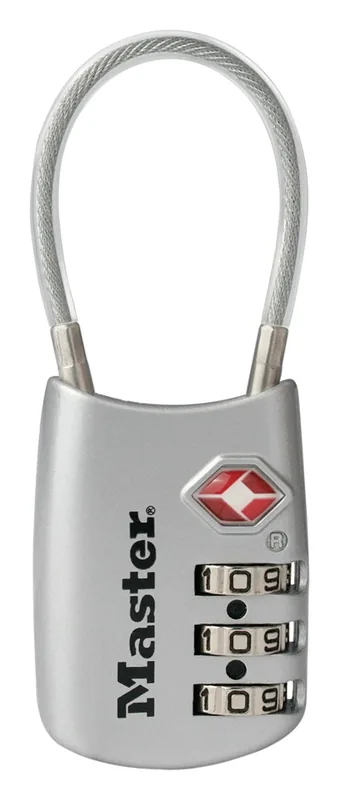
Master Lock TSA Combination Lock
A small combination lock is a simple hostel staple for lockers, zipper pulls, and shared luggage rooms when you do not want to carry a key.
A luggage lock will not turn a soft suitcase into a vault. It's still worth using because it adds friction, keeps zippers from wandering open, and makes your bag less inviting than an unlocked one beside it.
Use the Hostel Locker First
If your hostel gives you a personal locker, use it for the bag or cube that holds your highest-value items. Don't leave passports, cash, cards, laptops, or cameras loose on the bed while you shower or grab breakfast.
Locker sizes are not standard. Generator's FAQ gives an approximate average under-bed locker size of 93.8 x 67 x 28.8 cm. That is a chain example, not a measurement of the locker at your booked hostel.
Ask for the usable internal dimensions and the opening size. Compare them with your packed bag's exterior dimensions, including wheels, fixed handles, pockets, and anything strapped outside. Try rotating the bag so each side lines up with a large enough locker dimension; the door must still close without forcing it.
| Check | Worked example | What it establishes |
|---|---|---|
| Published locker example | About 93.8 x 67 x 28.8 cm | Generator's average; confirm the exact property and opening |
| Hypothetical measured bag exterior | 22 x 14 x 9 in = 55.88 x 35.56 x 22.86 cm | Each dimension is smaller than the corresponding example locker dimension in this orientation |
| Actual fit check | Door opening, hinges, shelves, and closing clearance | The three-number comparison alone does not prove the bag will enter and the locker will close |
A 40-liter capacity or a “24-inch suitcase” label does not supply all three exterior measurements. If the packed bag does not fit, use the oversized-bag storage steps below.
Keep Passport, Cash, and Cards on You
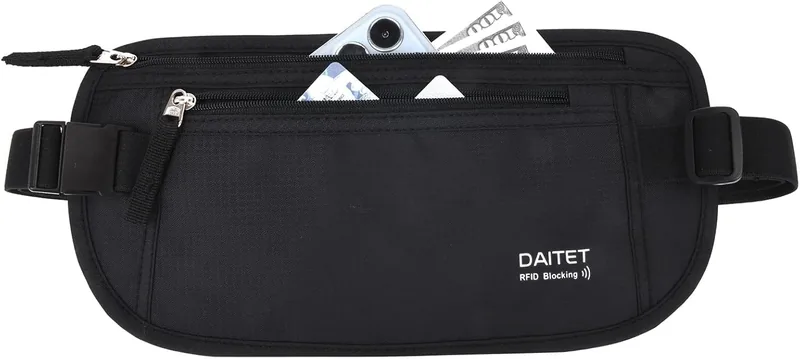
Passport, bank cards, backup cash, and phone stay with you or in a locked personal locker. If you're walking around a crowded transit station before check-in, a slim money belt or hidden pouch can be useful.
Do Not Leave Luggage Unattended in Common Areas
Common rooms, kitchens, hallways, and reception corners are not storage plans. If you need to step away, move the bag to the hostel luggage room, lock it in a locker, or keep it with your travel partner.
This also applies on arrival day. Use the arrival and checkout storage steps below before leaving the bag.
Use Anti-Theft Features as Backup
An anti-theft bag can help if it has lockable zippers, slash-resistant panels, or hidden pockets. Use it as backup. The plan is still keeping valuables out of reach.
Hostel Luggage Storage Before Check-In and After Checkout
We would settle the storage plan before the sightseeing plan. Ask the exact hostel where you can leave your bag, when you can collect it, and whether there is a charge. A dorm locker, a rented locker, and a shared luggage room can have different access rules.
For example, Wombat's says its hostels have a bag-storage room for after checkout. Generator describes rented storage lockers subject to availability. Neither example tells you the size, price, or collection arrangements for another property.
Before Your Room Is Ready
Go to reception with the bag and ask for the designated storage option. Confirm whether you can return to it during the day or need staff to retrieve it. If a tag, ticket, key, or code is issued, keep it with you. Put your phone, travel documents, medication, and anything needed before check-in in the small bag you will carry.
If there is no suitable space, keep the bag with you while you arrange another option. A reception corner or an empty bunk is not permission to leave luggage there. Ask staff about nearby storage, then check that provider's opening hours, bag-size limits, price, and accepted items before paying.
After Checkout, Before Your Train or Flight
Ask about storage before returning your room key. Confirm the latest collection time and whether returning guests can enter the building or storage area without that key. Allow time to collect the bag before leaving for the station or airport.
Check charges separately from the room rate. An included dorm locker does not establish free storage after checkout. St Christopher's storage guidance, for instance, describes a paid service for guests and limited space at some London properties. Confirm the current arrangement for your stay rather than relying on a chain-wide summary.
When Your Suitcase Does Not Fit
Keep the valuables in a personal locker that closes and locks properly, and ask where the larger bag is allowed. Check whether another locker is available, whether it costs extra, and who can enter any shared storage room. Under-bed floor space is not the same as a lockable under-bed compartment; avoid blocking the aisle or another guest's access.
We would choose a storage arrangement we can use without leaving essential items behind. If the hostel cannot offer one that works for the bag, carry it until a suitable alternative is arranged. Locking the suitcase does not make a shared room theft-proof.
What to Bring for a Hostel Stay
A Comfortable Lightweight Backpack
A backpack is easier than a large suitcase when the hostel has stairs, narrow halls, or bunk-bed storage. Look for something comfortable, organized, and easy to carry while your hands are full. Fabric matters too, and our nylon vs polyester backpack guide explains the tradeoffs.
Fit matters if you are carrying it all day. A badly packed or poorly fitted backpack can make the first travel day miserable, so it's worth learning how to avoid back pain while backpacking before you rely on one.
A Small Valuables Pouch
Use one pouch for passport, cards, backup cash, keys, medication, and anything else you would panic about losing. That pouch is what goes into the locker or stays on you. It also makes checkout less chaotic because the important things are not scattered across three pockets.
A Portable Charger
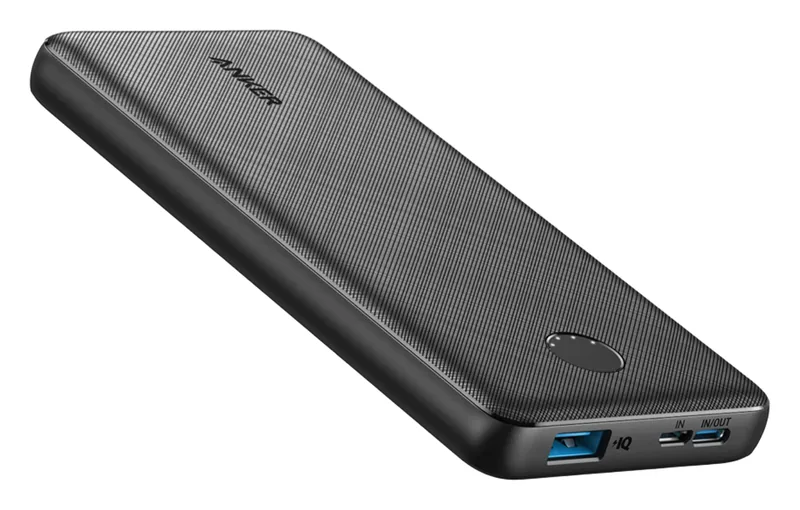
Hostel outlets are not always next to your bed, and the convenient outlet is often the one everyone else wants. A small power bank keeps your phone usable without leaving it unattended in a common charging area.
A Towel and Contained Toiletries
Some hostels include towels, some rent them, and some expect you to bring your own. A compact towel and a contained toiletry pouch keep bathroom trips easy and keep damp items away from the rest of your luggage.
Comfortable Versatile Clothing
Hostel packing rewards repeatable outfits. Bring layers that can handle walking, sleeping, laundry delays, and shared spaces. Avoid the easy packing mistakes: too many shoes, too many just-in-case outfits, and full-size toiletries.
What Not to Bring to a Hostel
Expensive or Sentimental Items
Leave heirloom jewelry, designer bags, rare camera gear, and sentimental items at home unless they are essential to the trip. Friendly hostels are still the wrong place for anything you cannot replace.
Too Many Unnecessary Items
Hostel rooms get crowded fast. Extra luggage also makes it harder to use lockers, keep your bunk tidy, and leave quickly on checkout morning. Pack lighter than you think you need, then use laundry instead of hauling duplicate outfits.
Food That Attracts Pests
Skip smelly, leaky, or perishable food in your room. Use the hostel kitchen rules, label your food when required, and keep snacks sealed. That keeps pests down and keeps you from being the roommate with the smelly bag.
Hostel Luggage Safety Checklist
| Item | Best Place | Why |
|---|---|---|
| Passport, cash, cards | On you or locked personal locker | These are the trip-stoppers if lost |
| Main suitcase or backpack | Designated locker or storage area agreed with staff | Confirm access and collection arrangements; keep essentials separate |
| Laptop or camera | Locked locker when not with you | Too valuable for common-room storage |
| Dirty laundry and clothes | Main bag or laundry pouch | Low risk and easy to replace |
| Food | Hostel kitchen or sealed container | Keeps pests and roommate problems down |
Keep the trip-stoppers close, lock what you leave behind, and treat the rest of the bag as replaceable gear.
Filed in Travel Tips