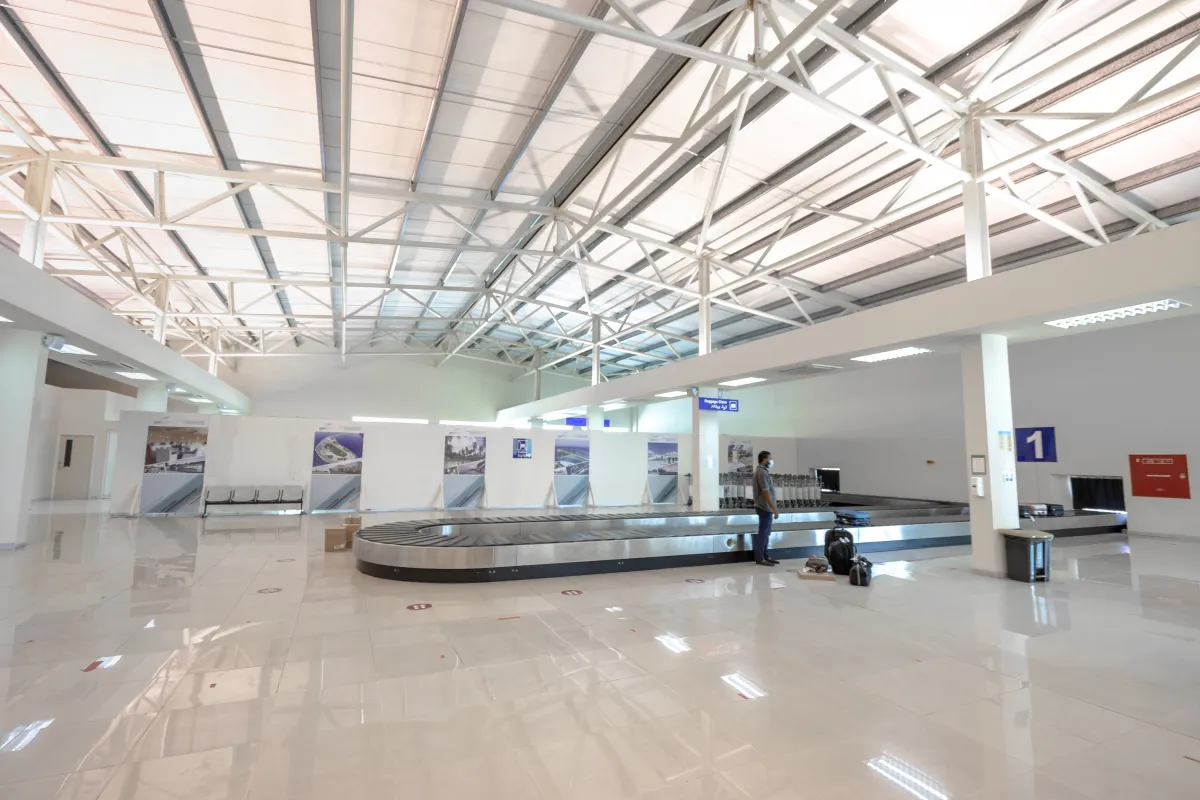
Do You Have to Recheck Bags on a Connecting Flight?

On a single ticket, an airline will often transfer a checked bag between flights, and you collect it at your final airport. But a connection is not enough information to answer the question. Separate tickets usually mean collecting and rechecking the bag. Entering the United States from abroad normally adds a customs reclaim at your first U.S. airport, even when the bag tag names your final city. Preclearance and selected U.S. transfer programs are exceptions. Before leaving the first bag-drop desk, ask exactly where you must next touch the bag.
Use this decision order
- Are the flights on one ticket? A single booking with an airline-approved connection is more likely to include bag transfer. If you booked two separate tickets, plan to collect and recheck unless the airline confirms through-checking for your exact flights.
- What destination is printed on the bag tag? Read the three-letter airport code and keep the claim receipt. A final-destination tag confirms where the airline intends to route the bag; it does not cancel a customs reclaim where one is required.
- Will you enter a country during the connection? Immigration, customs, and baggage handling are different processes. An international arrival may require you to reclaim the bag, pass customs, and return it to a transfer belt.
- Is there a documented exception? U.S. preclearance means U.S. border inspection happens before departure. Some participating transfer programs also move eligible bags through without passenger reclaim. Follow the airline and airport's instructions for that flight, rather than a generic rule from a travel forum.
One ticket usually makes the bag transfer simpler
Heathrow says most passengers on a single connected booking do not need to collect checked baggage during a connection: the airline transfers it and the passenger collects it at the final destination. “Most” matters. The operating airlines, airport, route, and border process can change the handoff. At the departure airport, we would ask: “Is this bag checked through to my final airport, and do I have to reclaim it anywhere en route?” Keep the answer and the tag destination together.
A tag to your final airport is strong evidence of the airline's planned routing, but not a guarantee that you can walk straight past baggage reclaim after an international arrival. At some border crossings, the passenger must present the bag to customs and place it on a recheck belt. The tag often stays attached during that process. If you are unsure on arrival, follow the transfer and customs signs and ask airline staff before entering an area from which you cannot return to the carousel.
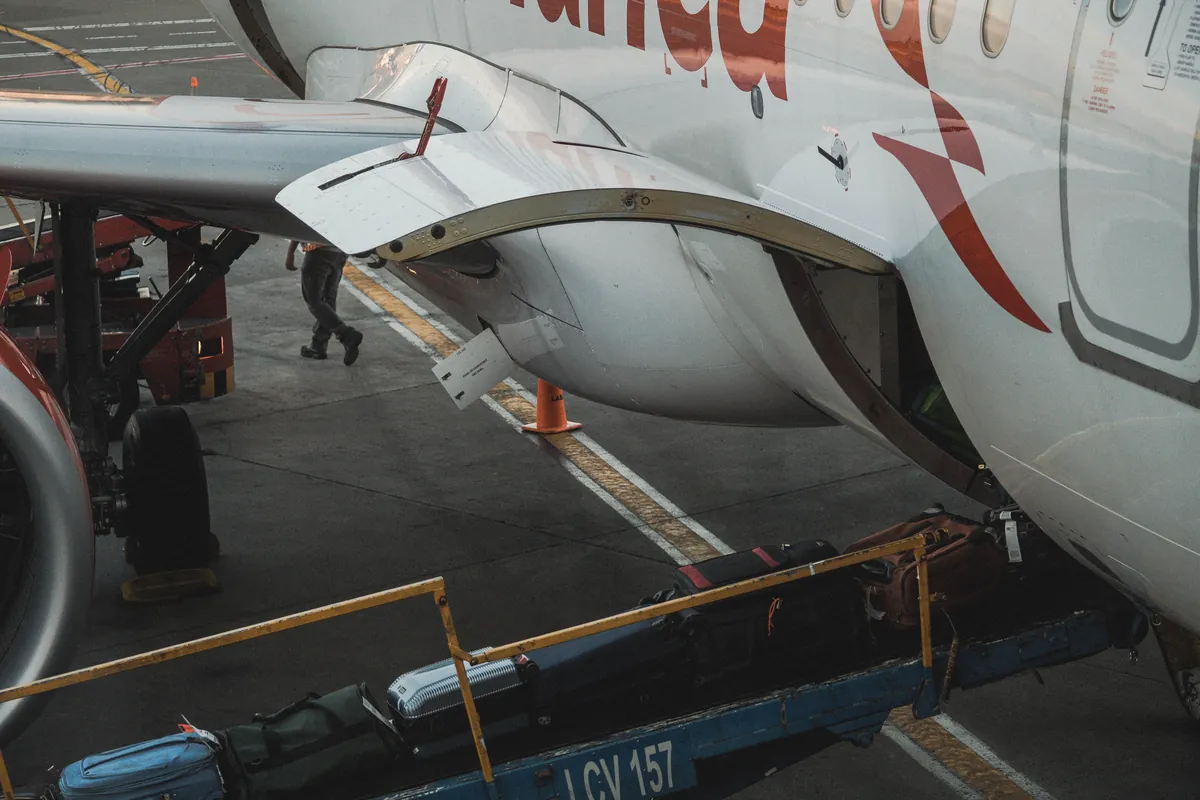
Separate tickets usually mean a self-transfer
If you bought flight A and flight B as independent tickets, expect to enter the arrival country if necessary, collect the bag, check in with the next airline, drop the bag, and pass security again. Heathrow states this explicitly for its self-connecting passengers. The second airline's bag-drop deadline applies even if the first flight was delayed. Leave enough time for immigration, the carousel, terminal travel, a possible checked-bag fee, and security; an airline's minimum connection time for a protected single ticket does not make two independent tickets safe.
There can be airline-specific exceptions: a carrier may agree to through-check a separate-ticket bag on an eligible partner route. Treat any promise as specific to your flights and verify the destination on the printed bag tag at the counter. Do not assume that putting two bookings in one app or one reservation record makes them one ticket. If the first carrier cannot tag the bag through, plan to collect it and check it again.
What happens on an international connection into the U.S.?
U.S. Customs and Border Protection says travelers normally clear CBP at their first U.S. port of entry. Its checked-baggage guidance says travelers arriving from overseas normally collect their luggage, bring it through customs, and check it back with the airline for a domestic connection. That can be true even when the original tag shows the final U.S. city. After customs, look for the airline's connecting-bags belt or desk and confirm where to drop the bag. Then follow signs for any required security screening and your next gate.
Exception 1: preclearance. At a designated overseas preclearance airport, CBP inspects U.S.-bound travelers before they board. CBP says precleared travelers can proceed directly to a connection or final destination on arrival in the United States without clearing CBP again. Ask the airline whether the bag is through-checked to the final airport.
Exception 2: participating transfer programs. CBP describes an International Remote Baggage Screening initiative under which eligible passengers on selected participating arrivals may continue without reclaiming and rechecking their bags unless CBP refers them for inspection. American has also described a one-stop security connection on a selected international route. These programs are route- and operation-specific, and their coverage can change. If your airline directs you to a special connection path, follow its current instructions. Otherwise, plan for the normal customs reclaim.
What if the bag was gate-checked on the first flight?
A planeside valet bag may need collecting between flights even when your other suitcase is through-checked. A small-aircraft bag may be handed back at the jetbridge after the first flight, meaning you carry it to the next gate. Another gate-checked bag may be tagged to baggage claim or the final destination. Ask the agent at handoff where it returns and check the tag; our gate-checked carry-on guide covers what to take out first. Our carry-on and backpack guide explains the two cabin-bag roles; the bag's actual tag determines its route after you give it to the airline.
Before you leave the bag-drop counter
- Read the tag destination
- Photograph the claim receipt
- Keep the claim receipt
We would take ten seconds to read the tag, photograph the claim receipt, and ask where the bag must be reclaimed. On a mixed-airline itinerary, ask whether the next carrier accepts the transfer and which airline to contact if the bag does not arrive. Keep medication, documents, keys, and one necessary change of clothes with you; a perfectly routed bag can still be delayed. If it fails to arrive, report it to the airline's baggage desk as soon as possible and keep the report number. Our delayed-baggage guide covers the claim stage.
For the bag itself, check both the carrier's checked-bag allowance and the packed exterior before travel. The 62 linear inches guide explains the common checked-size calculation. A through-checked itinerary does not exempt an oversized or overweight bag from the rules that apply to the ticket.
Filed in Travel Tips