
What to Do When Your Carry-On Is Gate-Checked

A gate check can turn the bag you expected to keep overhead into a checked bag in a few minutes. Before you hand it over, take out your power bank, spare lithium batteries, vape, medicine, documents, keys, valuables, and anything you need before baggage claim. Then ask the agent one question: Where will I get this bag back? A planeside or valet bag may come back at the aircraft door; another gate-checked bag may go to the carousel at your destination. The tag and the agent's instructions decide which.
The 60-second gate-check routine
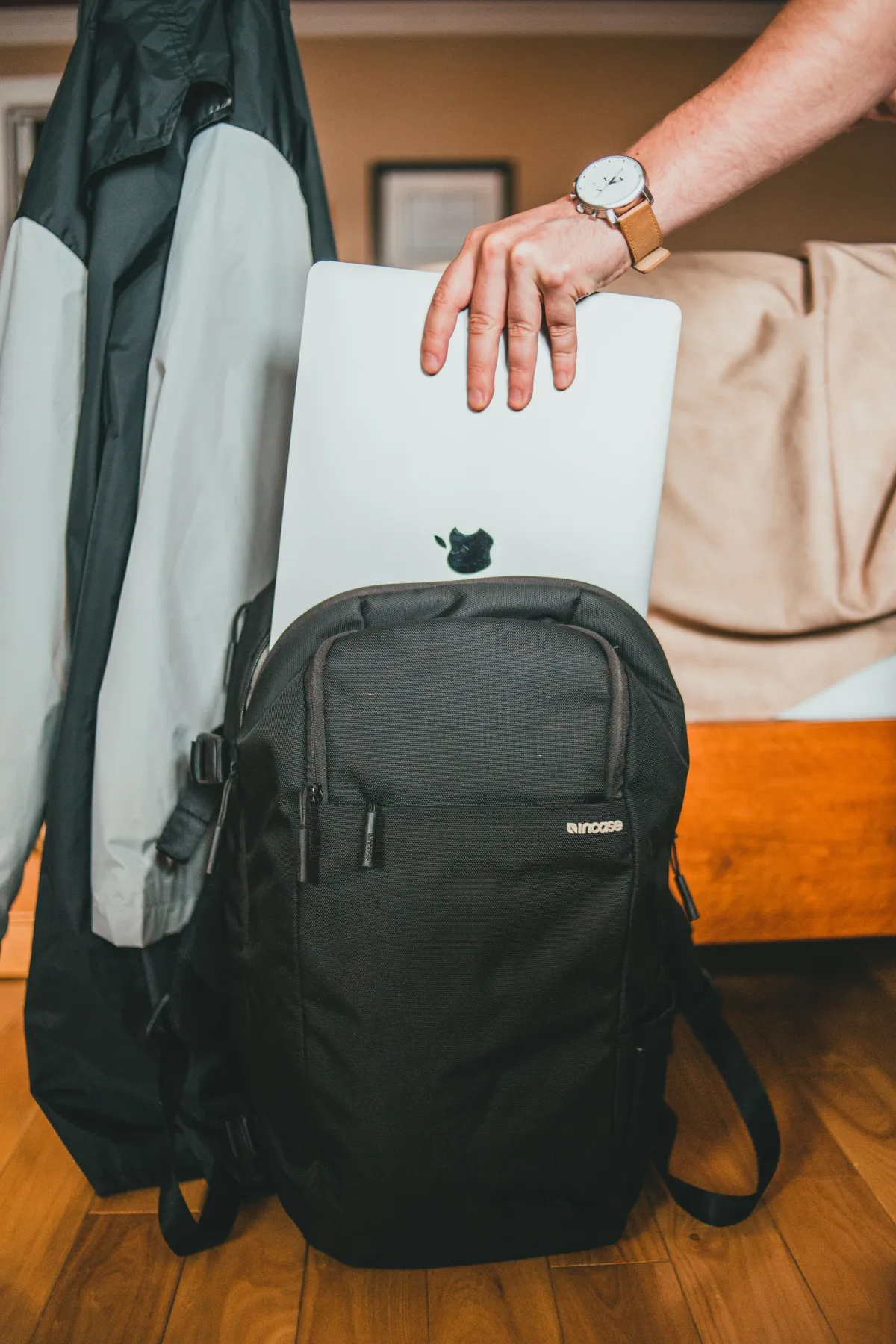
- Open the bag before it leaves you. Move batteries, electronics you need, medication, passport, keys, glasses, and fragile or valuable items into a small bag you can keep in the cabin. Do this while you can still reach the suitcase, before the tag is attached and boarding is moving.
- Check any powered luggage. Follow the airline's battery-removal instructions before a smart suitcase goes in the hold. A small compliant location tracker is a different case; check the airline's rule instead of assuming every device must come out.
- Watch the destination on the tag. Confirm your name, flight or destination, and whether the bag is tagged to the next stop or the end of the trip. Keep the claim stub or a clear photo of it.
- Ask where to collect it. Say, “Will this come back on the jetbridge at the next airport, or at baggage claim?” If you have a connection, ask whether you must take it to the next flight yourself.
- At arrival, follow that answer. If the agent said planeside, wait in the designated area before leaving the jetbridge. If it is checked to the destination, follow baggage claim instructions and keep the tag until the bag is in your hands.
Airlines gate-check bags for several reasons: overhead space can fill, a smaller aircraft may have limited bins, or a bag may be too large for the cabin. Those are different situations, and they do not all carry the same fee or collection process. A free valet service on one regional flight does not establish a free gate check for a bag that exceeds your ticket's allowance.
What must come out of the bag?
For U.S. flights, the FAA says spare lithium batteries and power banks must stay in the cabin when a carry-on is checked at the gate or planeside. Protect exposed battery terminals from short circuits. Electronic cigarettes and vaping devices must also stay with you. The FAA's practical baggage advice says to remove lithium-powered devices such as laptops and phones when a bag is unexpectedly checked. Keep them with you even when a particular installed battery might otherwise be permitted in checked baggage; you avoid both a handling problem and losing access to the device.
We would also move prescription medicine, travel documents, cash, jewelry, keys, fragile glasses, and anything needed during a connection into a personal item. The U.S. Department of Transportation specifically advises keeping critical and valuable items out of baggage that might be gate-checked. If a bag is delayed, an extra shirt can wait; a passport or medication may not.
Smart-bag exception: The FAA treats luggage with an installed lithium battery differently from a loose tracker. Its general rule is that battery-equipped baggage travels in the cabin unless the battery is removed; limited small-battery exceptions exist for checked baggage. A compliant luggage tracker can remain in a checked bag within the FAA's stated limits, subject to airline and international rules. If you cannot remove a smart bag's larger battery, tell the agent before surrendering the bag. Do not quietly check it and hope the distinction goes unnoticed.
Jetbridge, carousel, or transfer belt?
“Gate checked” describes where the airline takes the bag, not a universal delivery promise. On some regional services the bag is tagged as valet or planeside baggage and handed back after landing. American says its American Eagle valet bags are returned on the jetbridge; Delta says certain Delta Connection bags with pink Gate Claim/Planeside tags are returned upon deplaning. A regular gate-checked bag on a full larger aircraft can instead travel to baggage claim. Confirm your specific tag with staff.
For a tight connection, this detail changes your route through the airport. If you will receive the bag at the aircraft, wait for it before walking to the next gate and allow time to have it retagged if needed. If it is through-checked, verify the destination printed on the claim stub and ask whether customs or the transfer airport requires a reclaim. Our guide to rechecking bags on a connecting flight covers those cases. Our baggage allowance guide helps with the ticket side; the agent and bag tag answer the handoff on the day.
Can you refuse a gate check?
You can explain that the bag contains a required item and ask the agent how to keep that item with you. You cannot count on taking a full-size suitcase into a cabin with no safe place to stow it. The FAA says airlines may require bags to be checked and that cabin baggage must be stored safely. If the problem is an oversized bag or a fare without an overhead allowance, the airline's published rules and any applicable fee matter. Check your bag's loaded exterior against our measurement guide before travel and your fare against the personal item versus carry-on guide.
If you need an item during the flight, remove it and carry it in the cabin before the bag is loaded. If the item is a medical or mobility device, identify it to the gate agent. The handling rules for assistive devices differ from those for a suitcase.
If the bag does not appear
First check the delivery point the agent gave you. A planeside bag can take a few minutes to reach the aircraft door; a through-checked bag may be going to a carousel instead. If the expected delivery point is clear and the bag is missing, tell the airline's baggage desk before leaving the airport. Show the claim stub, describe the suitcase, and give the address where you can receive it. Ask for a report number and keep receipts for necessary purchases. If the bag arrives damaged, report that promptly too. The U.S. Department of Transportation advises passengers to file delayed or damaged baggage claims with the airline as soon as possible.
Pack for a possible gate check before you leave home
- Keep the pouch reachable
- Move it to the personal item
- Keep the personal item with you
We'd keep a small, reachable pouch inside the carry-on for the items that must stay with us. It can hold the power bank and spare batteries in protected sleeves, passport, medication, glasses, keys, and the electronics we need. When space runs out at the gate, we can move the pouch to the personal item without unpacking a suitcase on the floor. Label the larger bag with contact details, and leave a little room in the personal item for that transfer. A bag that meets the published carry-on size chart can still be gate-checked for cabin space, so the pouch is useful even when your measurements are right.
Filed in Travel Tips