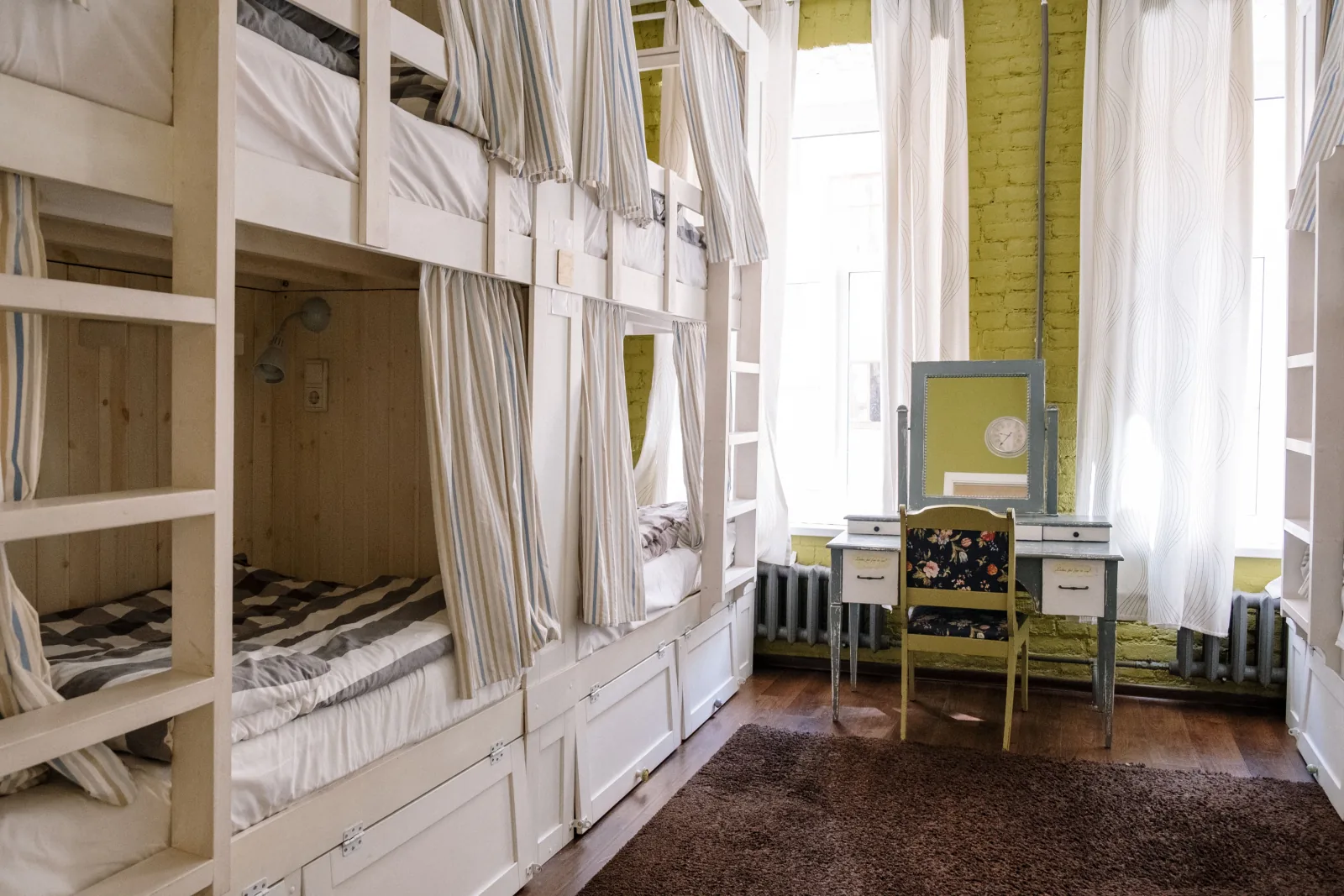
Hostel Packing List: What to Bring and Check

A hostel packing list should cover the parts of a shared stay that a hotel bag might miss: a small sleep kit, shower items you can carry to a shared bathroom, a way to organize clothes, and a plan for valuables. Before adding gear, check your exact booking for towels, bedding, lockers, kitchen access, and arrival hours.
Buying one? Best Shoe Bags for Travel 2026: 5 Picks Worth Packing
Hostel packing list at a glance
Start with the items you already use every day. Add the shared-room pieces below, then remove anything your property supplies. We would rather bring one small pouch we can find in the dark than a collection of gadgets that takes over the bunk.
| Bring | Check with your hostel | Pack only if needed |
|---|---|---|
| Passport or ID, payment cards, phone, charging cable | Check-in hours and late-arrival instructions | Plug adapter for your destination |
| Sleep clothes, earplugs, eye mask | Bedding and towel provision | Quick-dry towel |
| Toiletries in a grab-and-go pouch, shower footwear | Bathroom setup and supplied soap | Small toiletry refills |
| Clothes for the trip, laundry bag, one practical pair of shoes | Laundry facilities and cost | Second pair of shoes or laundry supplies |
| Small pouch for valuables | Locker size and lock requirements | Padlock that fits the locker |
| Reusable water bottle | Kitchen and drinking-water access | Food container or shopping tote |
Check the booking before you fill the bag
Hostelworld's first-time hostel guide says towels may be free, rented, or absent, while locks may be available to borrow or rent. That is a reason to check your property, not a promise about your reservation. Its Barmy Badger listing, for example, separately describes lockers, a bring-your-own-padlock rule, towel rental, and check-in hours. Those are that property's terms and can change.
- Read the booking confirmation: Note check-in and checkout times, entrance instructions, and whether reception is open when you arrive. Save the address where you can reach it without a connection.
- Check what the room includes: Look for linen, towels, a bedside outlet, and a locker. Ask about locker dimensions if your whole bag needs to fit.
- Check what you can use: A listed kitchen does not tell you what cookware is available. Laundry may be self-service, outsourced, or absent.
- Settle the awkward details early: If you need a lower bunk, luggage storage before check-in, or a late arrival, confirm it with the property before travel day.
Keep the locker plan separate from the clothing plan
Put passport, cards, keys, and other hard-to-replace items in one small pouch. If your hostel has a personal locker, check its size and lock setup before choosing a padlock. A zipper lock on a soft bag does not make the bag secure storage. Our hostel luggage safety guide covers what to keep with you and how to use shared storage.
Choose a main bag you can carry through the trip, then organize it so a bunk does not become an unpacking surface. One cube for clean clothes, a separate bag for worn items, and an accessible bathroom pouch are enough for most short stays. If you are choosing organizers, our packing cube guide explains the differences; you do not need to buy a set if a couple of pouches already do the job.
Charge and do laundry without spreading out
Bring the cable your phone actually uses and check the destination's plug type. A power bank is useful if your bedside outlet is absent or awkward, but there is no reason to pack several chargers for one device. Keep electronics together so you can collect them quickly at checkout.
A laundry bag keeps worn clothes from migrating into clean ones. On a longer stay, check whether the property has a washer, a service, or a nearby laundromat before deciding how many outfits to bring. Our backpack type guide can help if you are still choosing between a daypack and a larger travel bag, but the room layout matters more than a universal liter target.
What can stay home?
Skip duplicate outfits, full-size toiletries for a short trip, and equipment for activities you have not planned. Avoid bringing anything sentimental or difficult to replace unless it is essential. If you need to bring a laptop or camera, decide before departure where it will go when you shower or leave the room.
Pack the first-night items together: booking details, ID, sleep kit, toiletries, and the clothes you will change into. That layout is especially useful when you reach a dorm after others have gone to bed.
FAQ
Do I need to bring a towel to a hostel?
Bring a compact towel if your booking does not clearly say one is included. Some hostels provide towels, some rent them, and others expect guests to bring their own. Check the exact property listing or ask reception before you pack; a general hostel checklist cannot settle a property-specific amenity.
Should I bring my own padlock?
Check whether your room has a personal locker and what kind of lock it accepts. Bringing a small padlock is a practical default when that information is missing, but lock loops and locker sizes vary. Keep valuables organized in a separate pouch even if your main bag will not fit inside.
Do I need a backpack for a hostel?
No. Choose a bag you can carry comfortably through your actual route and store in the room you booked. A backpack can help with stairs and transit, but a suitcase is workable when you have suitable storage. The important check is where the bag and your valuables will go after arrival.
Filed in Packing Tips